Archive DeskFeature
History of High Park: The Howards' 1873 Gift to Toronto
A 1873 deed turned one couple's country estate into High Park. The story of Colborne Lodge, Grenadier Pond and the park's growth, sourced.
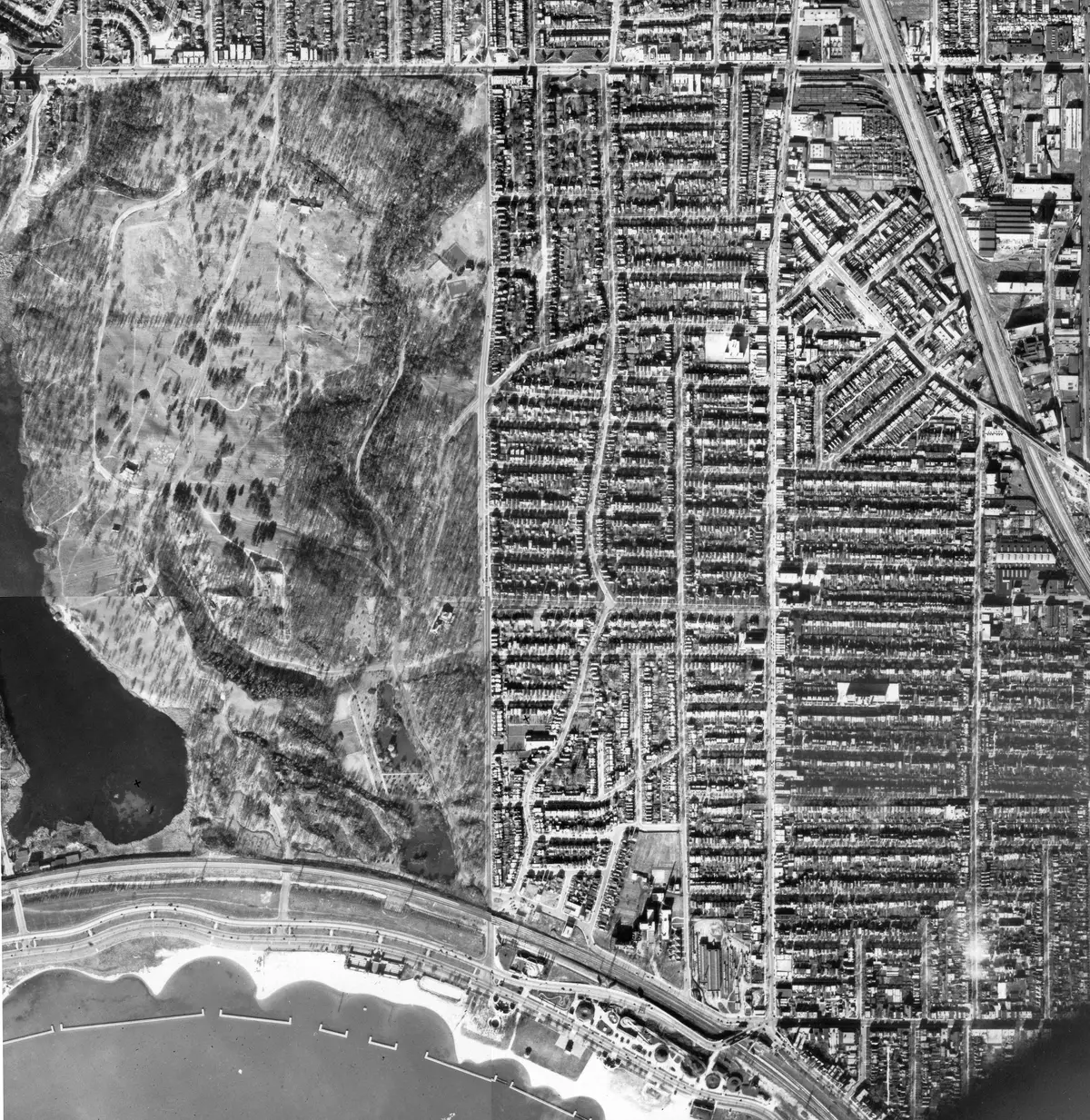
Every walk through High Park rests on a deed. In 1873, the City says, John and Jemima Howard deeded their 165-acre country property to the City of Toronto, with an agreement that the park stay free for the citizens and keep its name. Here is the story behind that gift.
Who was in High Park before the Howards?
Long before any deed, people knew this land. The High Park Nature Centre says archaeological evidence shows Indigenous peoples lived in the area as early as 7,000 BCE, drawn by its resources and the Humber River, a trade route connecting Lake Ontario to Georgian Bay. Savannah around 4,000 years old stretched along the trails, and Indigenous caretakers stewarded the land with fire and relied on it for food, medicine and ceremony.
You can still walk some of those routes. The Nature Centre says many modern streets around High Park, such as Indian Grove, Indian Road and Wendigo Way, were originally Indigenous pathways.
How did the Howards come to High Park?
John Howard emigrated from England with his wife Jemima in 1832, the City says. The High Park Nature Centre says that in 1836 they purchased 165 acres stretching from Lake Ontario to Bloor Street and named the property High Park because it was the highest point in the area overlooking Lake Ontario.
Then came the house. The City’s history text says Howard built Colborne Lodge in 1837 and named it after Sir John Colborne, Lieutenant-Governor of Upper Canada. The same page’s introduction calls it the 1836 Regency-era cottage where the vision for High Park was born, so you will see both years.
What did the 1873 deed say?
The City says the deed included an agreement that the park remain “for the free use, benefit and enjoyment of the citizens of Toronto and it be called High Park.” The High Park Nature Centre lists more of the conditions, including that the park be kept in a natural state, and that the City maintain the Howards’ burial site forever.
The Nature Centre describes the 1873 transfer a little more precisely: it says that when the park was deeded it measured 120 acres, with the Howards keeping another 45 acres around Colborne Lodge until their deaths. In 1878, the Nature Centre says, John Howard was appointed the park’s first forest ranger.
What was life like on the estate?
Gentler than you might expect. The Howards preserved much of the land in its natural wooded state, while cultivating orchards and gardens around their home and tomb site. The Nature Centre says John Howard welcomed soldiers and officers from Fort York to fish in Grenadier Pond and gather greenery for Christmas decorations. In winter the Howards skated and harvested ice blocks from the pond.
His philosophy for the park was simple: Howard aimed to keep High Park as natural as possible. We think that one decision is why so much of the park still feels like a woodland.
How did High Park grow into the park it is today?
Step by step. The City says additional land was purchased in 1876 and 1930, expanding the park to its current 399 acres. The 1930 purchase of 71 acres in the west brought all of Grenadier Pond within the park boundaries.
Getting there took effort. The Nature Centre says that in the late 1800s, Dufferin Street marked Toronto’s western boundary and the roads beyond were rough, yet determined picnickers made the journey. By John Howard’s death in 1890, streetcar routes had extended far enough to bring the park within easy reach of the growing city. The Nature Centre adds that John and Jemima are buried near Colborne Lodge in a ten-tonne tomb designed by John himself.
What happened in the 20th century?
A good deal. The Nature Centre says High Park hosted the city’s second Forest School, starting with tents and platforms before a permanent facility was built in 1932. That building became the home of the High Park Nature Centre in 2015. It also says that in 1959, Queen Elizabeth II inaugurated the Maple Leaf flower bed by Grenadier Pond during her visit to High Park and Toronto.
How is the park cared for now?
With the same respect for the land. The Nature Centre says the High Park Natural Environment Committee was set up in 1993 and, in partnership with the City, supported the High Park Stewards program in 1996 and the High Park Nature Centre in 1999. By 2000 the City, in partnership with Indigenous communities, brought back regular traditional and prescribed burns to manage the savannah.
The City says approximately two-thirds of High Park remains in a natural state. The City also says the park contains remnants of Black Oak savannah, a globally rare and threatened ecosystem, and the most significant area of tallgrass savannah, prairie and woodland in Toronto, with approximately 23 hectares. It adds that in 2022 the province designated Grenadier Pond as a Provincially Significant Wetland Complex.
What is the timeline at a glance?
- 1832: John and Jemima Howard emigrate from England.
- 1836: according to the Nature Centre, the Howards purchase 165 acres and name the property High Park.
- 1836 or 1837: Colborne Lodge is built (the City’s page gives both years).
- 1873: the Howards deed the park to the City.
- 1876 and 1930: more land is added, reaching 399 acres.
- 1932: the Forest School building is completed.
- 1959: Queen Elizabeth II inaugurates the Maple Leaf flower bed.
- 1999: the Nature Centre’s timeline says a committee helped bring about the creation of the High Park Nature Centre.
Where can you see the history today?
Colborne Lodge is now one of 10 historic sites operated by the City of Toronto. Start there, then walk down to Grenadier Pond and look back up the hill.
For the seasonal side of the park, our High Park four-season guide covers cherry blossoms, the savannah and winter skating. For more of the city’s past, read how Toronto got its name and our history of Toronto guide. If you like a green walk with a story, try our guide to Toronto’s ravines.
Send this to the friend who has walked High Park a hundred times and never read the deed.
Sources (4)
- Colborne Lodge, City of Toronto
- High Park, City of Toronto
- Human History of Toronto’s High Park, High Park Nature Centre
- Meet the Howards of High Park: John and Jemima, High Park Nature Centre
Spotted something out of date? Let us know.
How did this land?
Share this
“Saving this for the next High Park walk: the 1873 deed that turned one couple's estate into a park for everyone.”