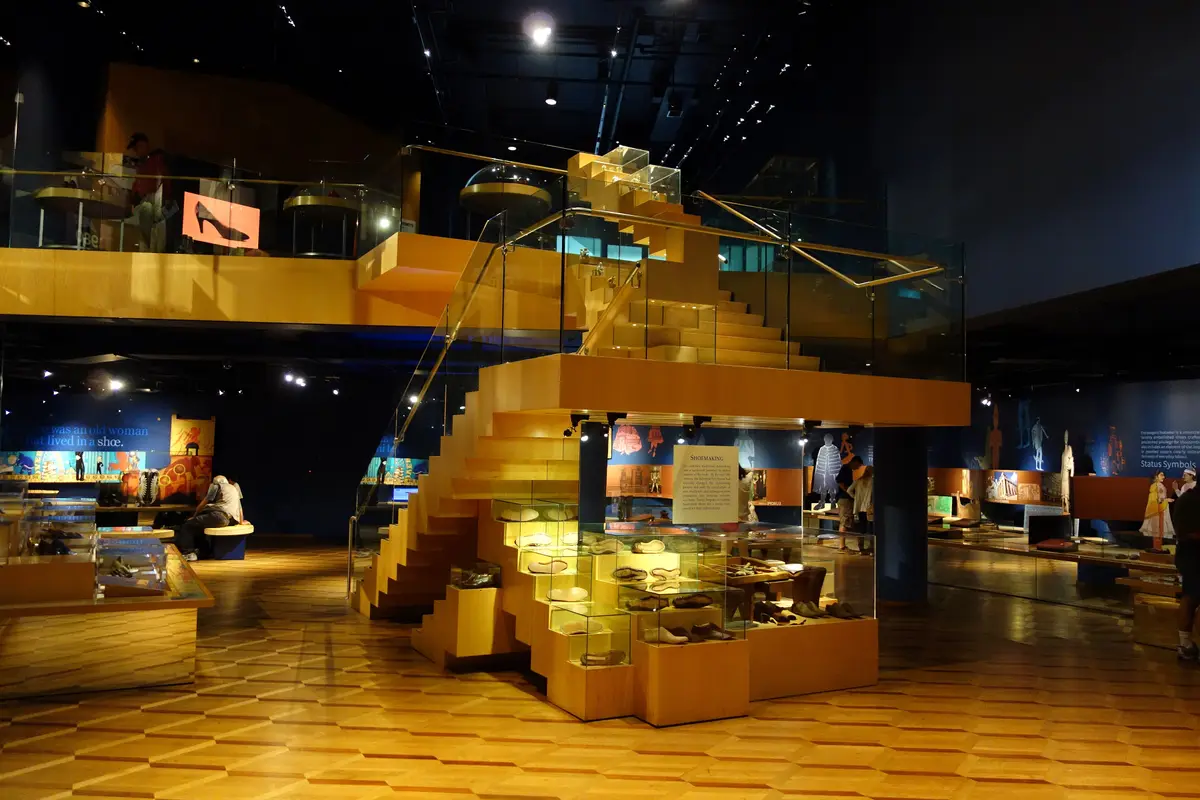
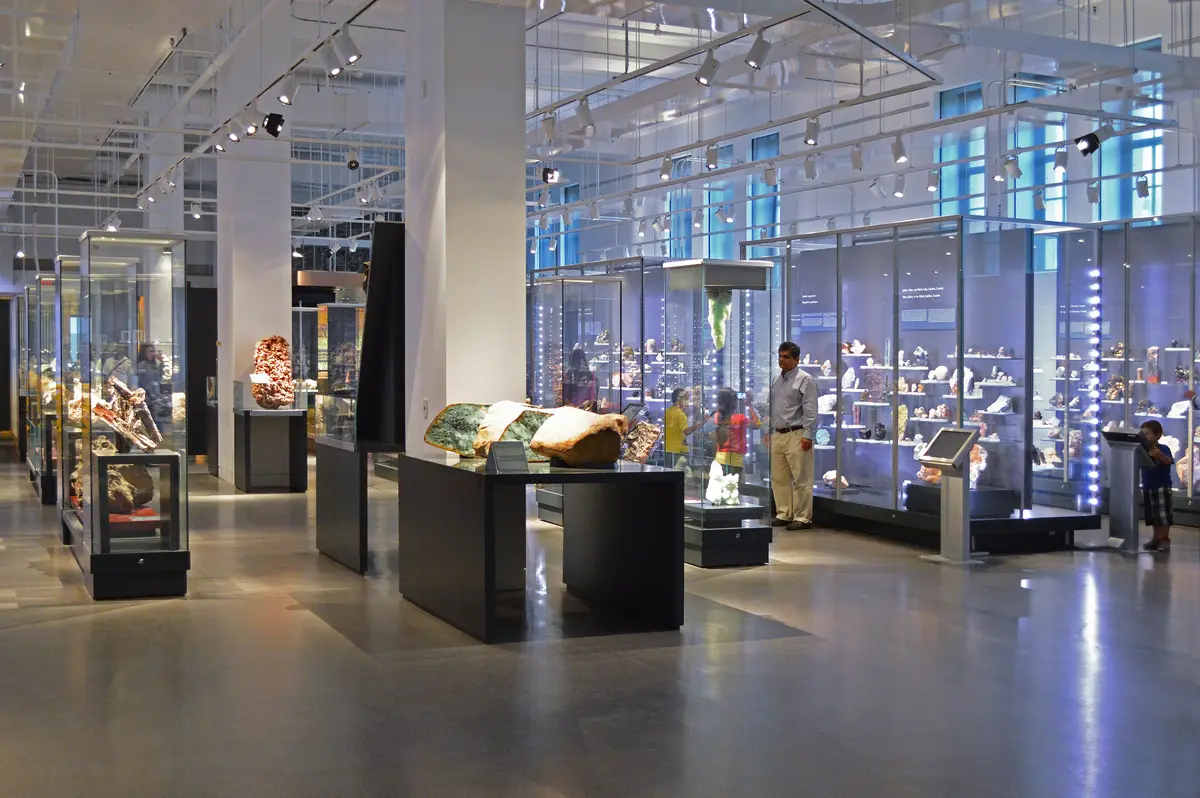
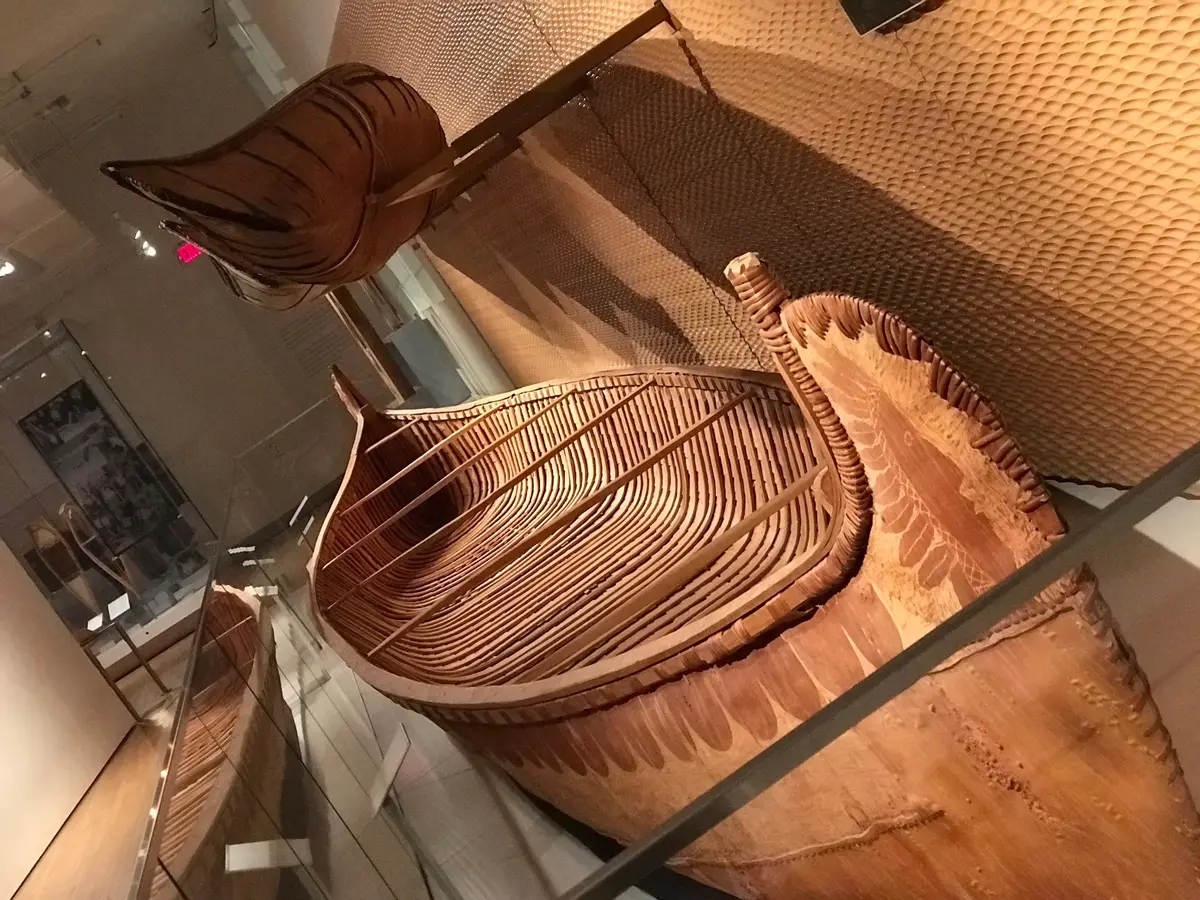
The Daphne Cockwell Gallery dedicated to First Peoples art & culture is on the main floor of the Hilary and Galen Weston Wing and features more than one thousand works of art and cultural heritage. The ROM’s page says admission to this gallery is free of charge to the public, which makes it an easy first stop. The gallery opened in 2005 with input from Indigenous advisors. Its objects date from pre-European times to the present day. Space is set aside for rotating exhibitions of contemporary First Peoples work, and multimedia spaces let visitors experience Indigenous languages, music and performance. There is also a circular theatre devoted to the screening of films and live performances by First Peoples. Give yourself unhurried time here and read the labels slowly.
Culture DeskGuide
Indigenous Art and Culture in Toronto: Where to Begin
A guide to Indigenous art, theatre, film and land history in Toronto, taken from the institutions and organisations that share it themselves.
If you want to understand the art, theatre and film in this city, it helps to begin with the ground under your feet.
This guide is a starting point, not a complete map. Everything below comes from the institutions and organisations themselves, and we link each one so you can read their words and confirm dates. Where we do not have a dated, official page, we leave a place out rather than guess.
Where do you start with the land and its treaties?
Start with the City of Toronto’s own land acknowledgement. It names the traditional territory of many nations, including the Mississaugas of the Credit, the Anishnabeg, the Chippewa, the Haudenosaunee and the Wendat peoples, and says Toronto is now home to many diverse First Nations, Inuit and Métis peoples. The City also acknowledges that Toronto is covered by Treaty 13, signed with the Mississaugas of the Credit, and the Williams Treaties, signed with multiple Mississaugas and Chippewa bands. The City says it has been acknowledging the traditional territory since March 2014.
For the Nation’s own voice, visit the Mississaugas of the Credit First Nation website, which lists the Toronto Purchase Treaty, No. 13 (1805), among the treaties of its territory. It is a short read that changes how you see a walk down any Toronto street.
Which museum gallery should you visit first?
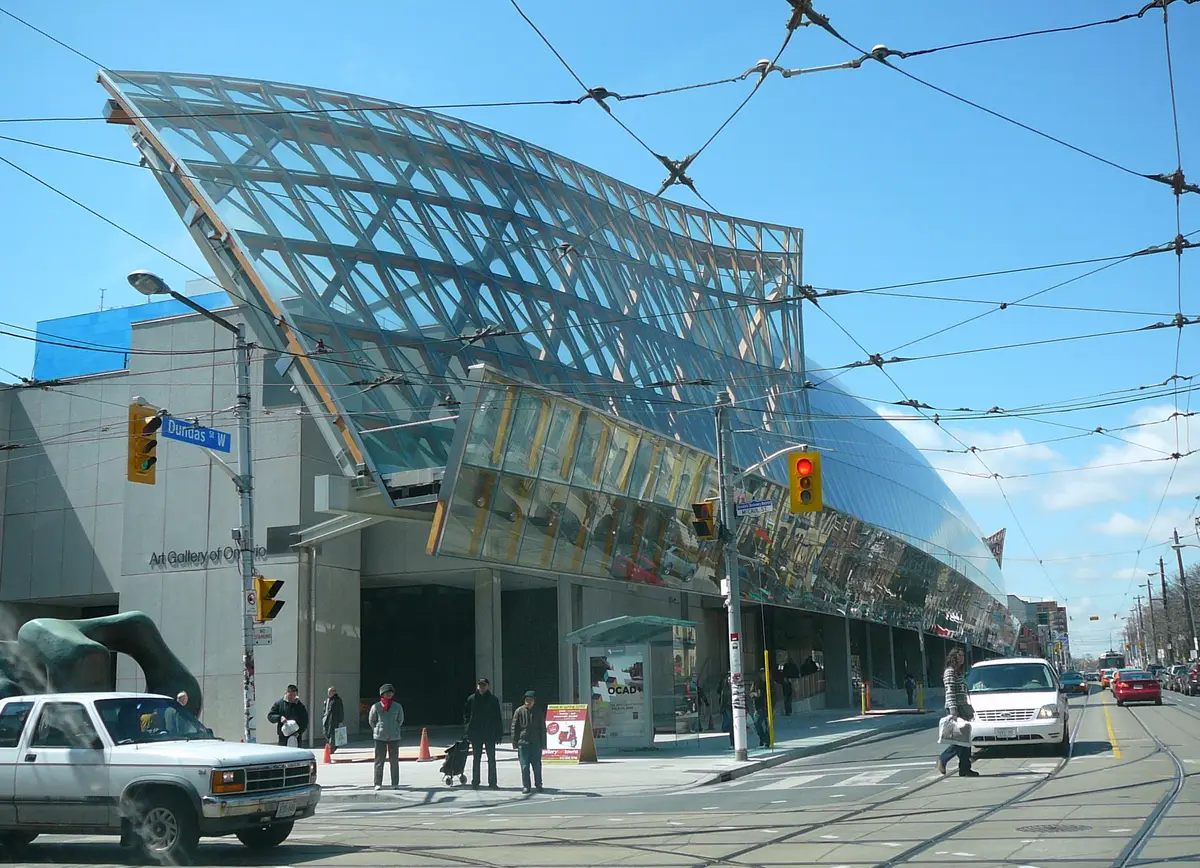
The AGO offers complimentary admission to all Indigenous Peoples. Its collection of more than 120,000 works ranges from contemporary art to significant works by Indigenous and Canadian artists and European masterpieces. Pair it with the ROM and you can see how two very different museums tell related stories. For more gallery ideas, see our guide to art galleries in Toronto.
Where can you see Indigenous theatre?
Native Earth Performing Arts calls itself the home of contemporary Indigenous performance. Its season 2026 to 2027 is already listed. Weesageechak Begins to Dance 39 runs November 19 to 29, 2026, and the festival showcases new works and works-in-development by Indigenous artists across Turtle Island and beyond. Haunted, billed as an Indigenous horror comedy, runs March 11 to 27, 2027. Giizis Reads in May 2027 is a series of staged readings of notable works by Indigenous playwrights across multiple decades. In June 2027, 2-Spirit Cabaret returns for its 11th edition, an annual celebration of 2-Spirit and Indigiqueer artists. Our pick if you want a night out that you will still be talking about on Monday. For the wider stage scene, see our Toronto theatre guide.
Where can you see Indigenous film?
Mark your calendar for June 2027. The 27th annual imagineNATIVE Film + Media Arts Festival takes place June 1 to 6, 2027 in Toronto, with an online edition from June 7 to 13, 2027. The organisation unveiled its 2026 programming on May 7, 2026, so it is a good one to follow for news through the year. Its Tour programs offer a selection of Indigenous works from across Canada that were part of the 2026 festival’s Official Selection, which is a handy way to keep the screenings going between festivals.
Is there Indigenous history outdoors?
Parks Canada says the Rouge is home to many historic and significant travel paths that Indigenous peoples used since time immemorial. Parks Canada works with more than 300 Indigenous communities across the country to conserve, restore and present its places. A walk on a Rouge trail is a way to think about those routes with your own feet. Our Rouge National Urban Park guide has trail ideas.
How could you plan a day around all this?
Here is one easy shape for it. Spend the morning at the ROM’s First Peoples gallery, where the ROM says admission is free, so you can take your time. Head to the AGO in the afternoon to see how Indigenous and Canadian artists sit alongside work from across the world. Finish with an evening at Native Earth if a production is on, and keep a note of the festival dates so you can come back.
If a day downtown is not your style, the Rouge, which spans Toronto, Markham, Pickering and Uxbridge, gives you a quieter way to spend time on the land. It pairs nicely with a slow lunch afterwards. Whichever route you pick, bring a friend who has not been, and let the place do the talking.
How do you visit well?
Go in with curiosity and give each place room to speak for itself. Read the City’s land acknowledgement above, stay for the whole program instead of a quick photo, and check the official page the week you go, because exhibitions and performances change. If you are building a longer culture weekend, our guide to museums in Toronto is a good companion, and our contemporary art galleries list adds more rooms to explore.
Send this to the friend you would bring: the one who always asks where to begin.
Sources (9)
- Land Acknowledgement, City of Toronto
- About MCFN, Mississaugas of the Credit First Nation
- Daphne Cockwell Gallery Dedicated to First Peoples Art & Culture, Royal Ontario Museum
- Hours, Location and Admission, Art Gallery of Ontario
- About the AGO, Art Gallery of Ontario
- Native Earth Performing Arts, Native Earth Performing Arts
- imagineNATIVE Film + Media Arts Festival, imagineNATIVE
- Visit, Rouge National Urban Park, Parks Canada
- Indigenous history, Rouge National Urban Park, Parks Canada
Spotted something out of date? Let us know.
How did this land?
Share this
“A good place to begin with Indigenous art and culture in Toronto: the land, the galleries, the stage and the screen.”