Outdoors DeskGuide
High Park Toronto: A Four-Season Guide to the City's Big Park
Cherry blossoms, a black oak savannah, a pond, a rink and a nature centre: how to use High Park in every season, from City and Nature Centre pages.
Most of us know High Park for two weeks in spring. It deserves the other fifty, and it rewards a slow walk with no plan at all. Here is a season-by-season way to use Toronto’s big park, with every fact traced to City and Nature Centre pages.
What is High Park, and why does it feel different?
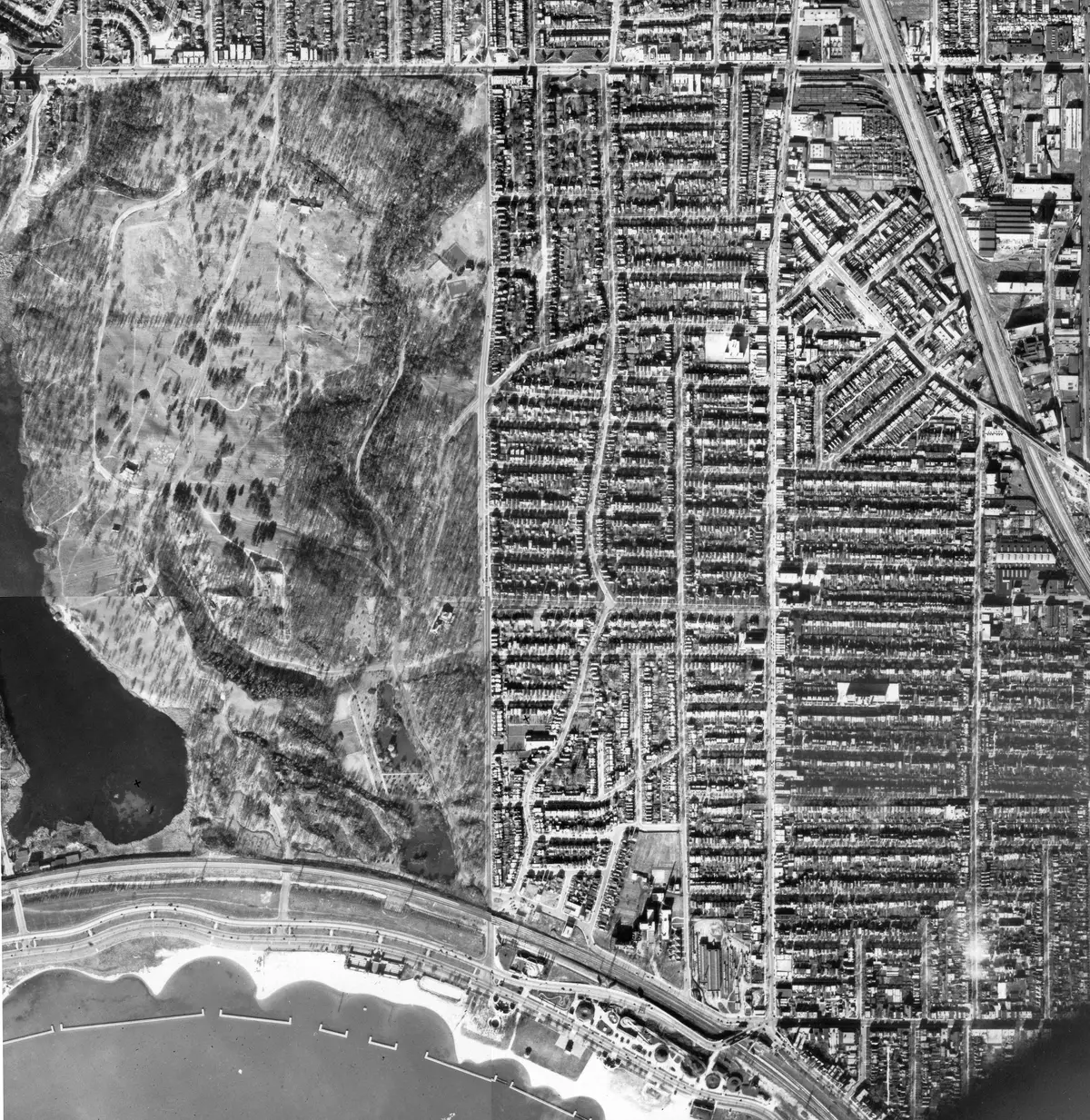
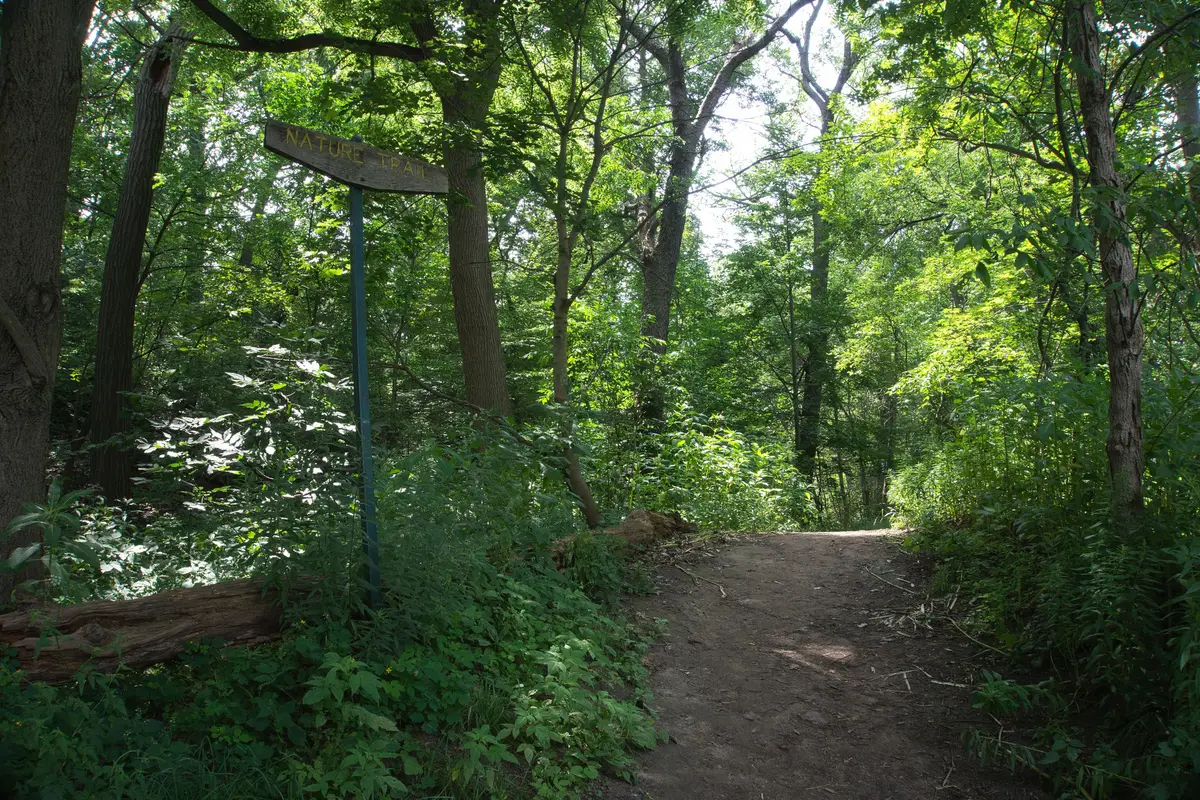
It is mostly wild. The City says approximately two-thirds of High Park remains in a natural state and describes it as one of its most environmentally significant areas. Residents and visitors can enjoy its wildlife, attractions, playgrounds and natural features year-round.
The oak savannah is a highlight. High Park contains remnants of Black Oak savannah, which the City describes as a globally rare and threatened ecosystem. The City also says the park contains the most significant area of tallgrass savannah, prairie and woodland in Toronto, at approximately 23 hectares. The High Park Nature Centre says it is promoting awareness and respect for nature in the heart of Toronto through year-round, hands-on outdoor nature education and park stewardship.
Spring: when are the cherry blossoms at High Park?
High Park has many cherry blossom trees, located throughout the park. The City says peak bloom usually occurs in late April and early May, and blossoms typically last between four and 10 days depending on weather. That short window is why we check the forecast and go early.
The gardens carry the season beyond the blossoms. The Perennial Border, just south of the High Park Offices and Training Centre, offers four-season interest with a wide-ranging collection of flowering perennials, so it earns a visit in any month. Hillside Gardens mixes cultivated and natural plantings, with occasional cascading water features or reflection pools. Near its south end, the Pollinator Habitat Gardens have hybrid garden beds showcasing native and pollinator plants. Maple Leaf Gardens was officially opened by Queen Elizabeth during her 1958 visit to Toronto and is a floral display in the shape of a giant maple leaf. The Japanese Garden/Rockery has steep meandering pathways surrounded by mixed perennials. The Sunken Gardens have pools and fountains landscaped by formal hedges, next to showy spring-flowering trees.
Summer: what is there to do?
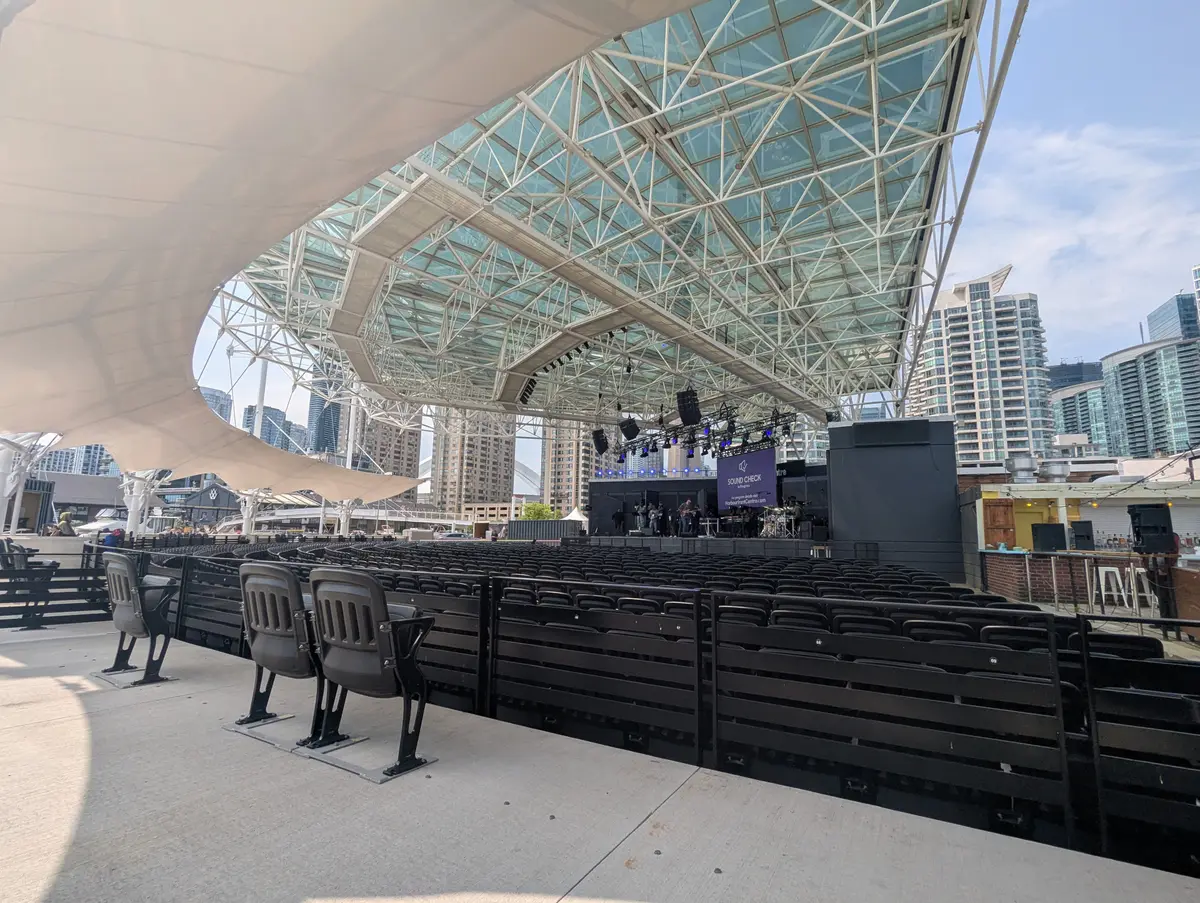
Plenty. The outdoor pool on Colborne Lodge Drive offers drop-in swimming programs. Splash pads are located near the outdoor pool and the wading pool. Jamie Bell Adventure Playground, by Duck Pond, has castle tops, ropes, swings, ladders and slides. Canadian Stage presents performances at the amphitheatre across from the Grenadier Café. High Park has several picnic areas available for booking from May to September.
The Trackless Train is a 30-minute scenic ride through the park, and it runs daily, weather permitting, in spring, summer and fall. Tickets are bought from the train operator.
Fall and anytime: what else is in the park?
Colborne Lodge is a museum at the south end of the park, built in 1837 by John and Jemima Howard, with cottage and garden tours, special events and workshops. The City also describes a two-hour public art tour through ArtworxTO, with many works dating from the 1967 International Sculpture Symposium.
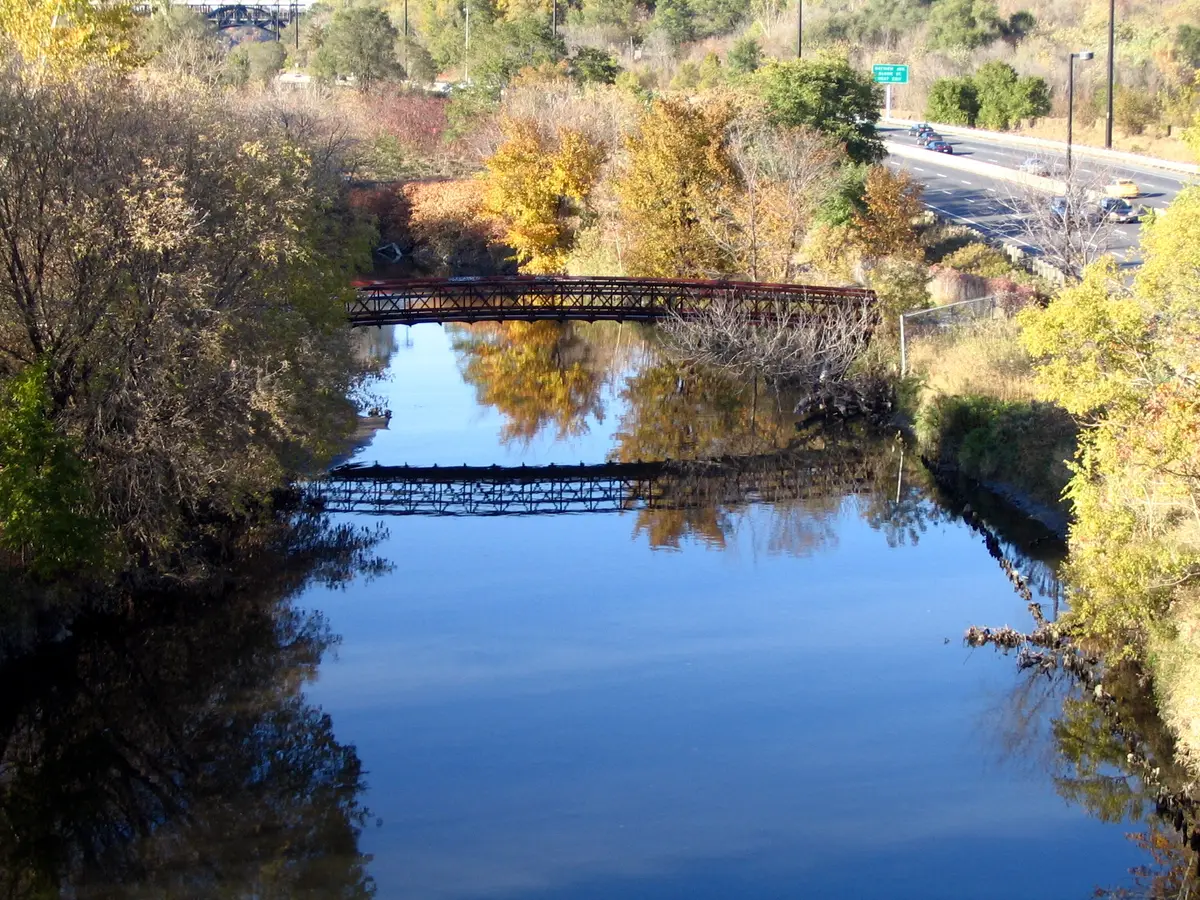
Grenadier Pond deserves a slow walk. In 2022 the Ministry of Natural Resources and Forestry designated it a Provincially Significant Wetland Complex, based on a wetland evaluation conducted by the Toronto and Region Conservation Authority. Fishing is allowed along a designated section of the shoreline.
The High Park Nature Centre is a non-profit organization supported by the City, based in the former High Park Forest School, with programs including nature walks, workshops and camps. It offers nature clubs for kids of all ages, youth and adults in High Park. Separately, the City’s High Park Children’s Gardening and Teaching Kitchen has registered and drop-in gardening, nature and cooking programs for children and youth. The Centre is an independent charitable organization and sends readers to the City’s website for information about the park’s operations.
Winter: can you skate and walk in High Park?
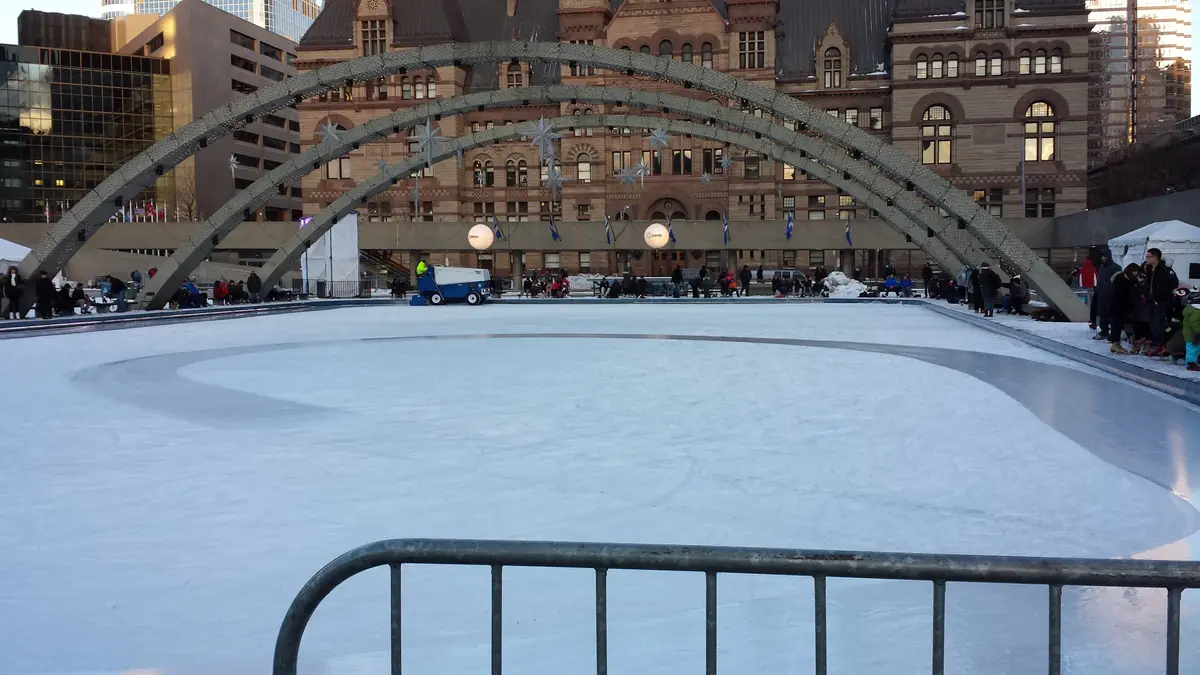
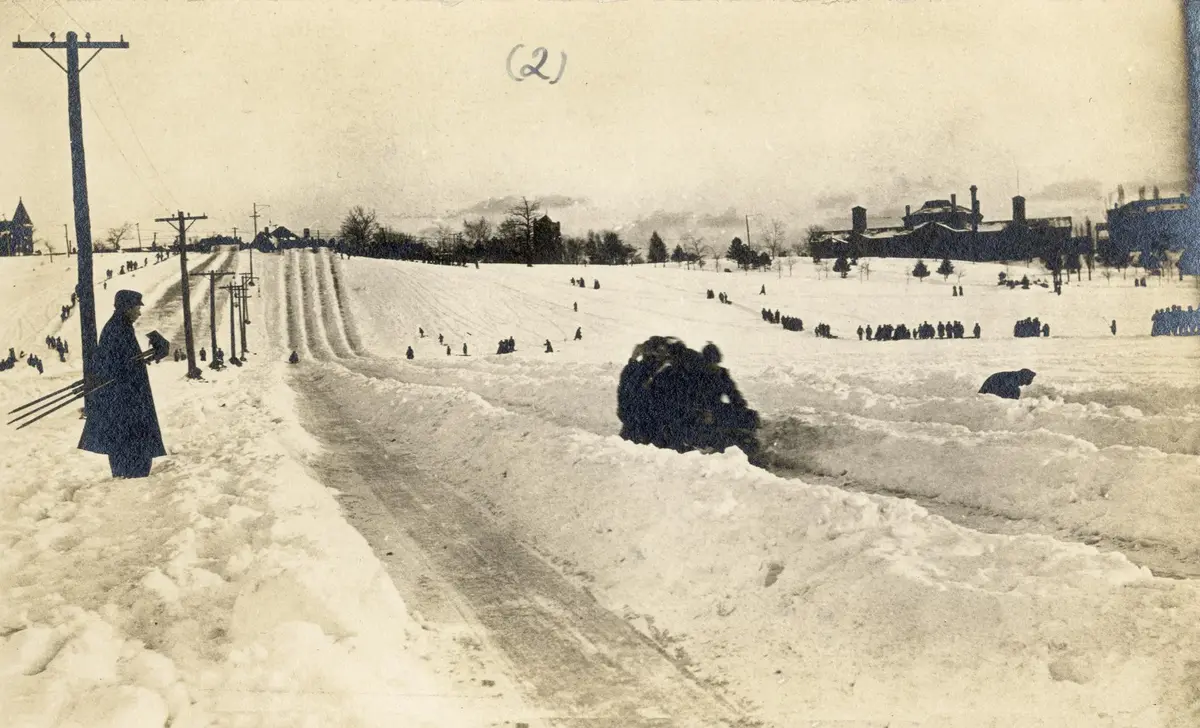
You can do both. The artificial ice rink sits north of the outdoor pool along Colborne Lodge Drive and is open from November to March, weather permitting. For walking, the City reminds pedestrians to stick to sidewalks and formal trails to help protect sensitive natural areas, and notes that unpaved trails are not maintained in winter. Our winter walks guide has more ideas, and the free outdoor skating guide lists other rinks.
How do you get to High Park?
By transit, from the Bloor-Danforth subway. Bus route 203 High Park operates seasonally between High Park station on Line 2 and other destinations in the park. Streetcar route 506 Carlton also runs between Main Street Station and the High Park Loop. Dogs are welcome and must be leashed unless they are in an off-leash area.
On two wheels, bicycles are allowed on all park roads, with dedicated bike lanes on Centre Road and Colborne Lodge Drive, and West Road and a portion of Colborne Lodge Drive are car-free routes. Bike Share Toronto operates 10 stations within and around the park, including at main entrances and facilities. On foot, there are six paved trail and sidewalk entrances, including the one at Bloor Street West and High Park Avenue.
Pick one season to start with, and you will probably be back for the others. If you are building a longer day, our hiking guide and guide to parks in Toronto pick up the trail, and Roncesvalles is next door for the walk back.
Send this to the friend who only goes for the blossoms.
Sources (2)
- High Park, City of Toronto
- High Park Nature Centre, High Park Nature Centre
Spotted something out of date? Let us know.
How did this land?
Share this
“Cherry blossoms get the headlines, but High Park works in every season. A four-season guide from the City's own pages.”