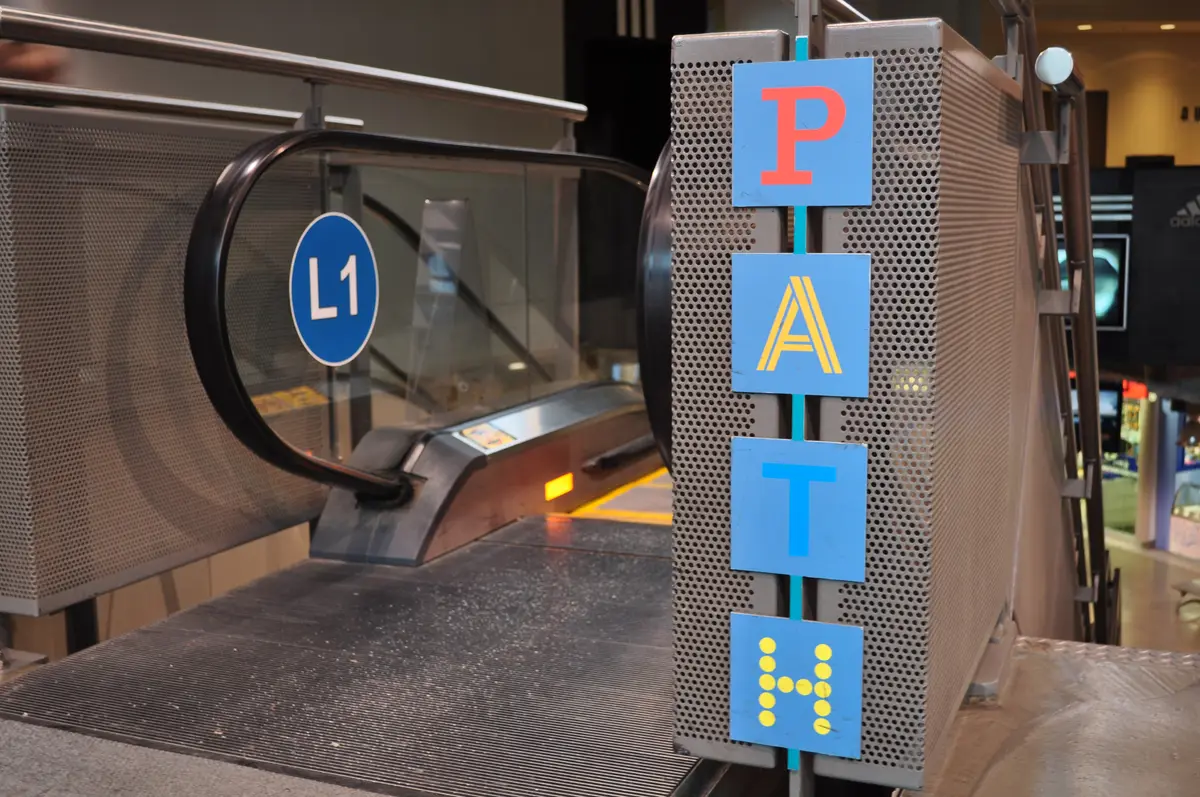
You will find it at Brookfield Place, on the lower concourse level at the corner of Yonge and Front streets. The Hall says it is accessible by the PATH, including for guests arriving by the King subway stop or Union Station. The star for architecture fans is the Esso Great Hall, in a building whose construction began in 1885. The room measures 70 by 70 feet and rises to a 45-foot-high stained glass dome. The building was used by the Bank of Montreal as a head office until 1949 and continued as a branch until 1982. Check the Hall’s site for hours and what is on.
Weekend DeskList
Indoor Things to Do in Toronto in Winter: Eight Warm Stops
Eight warm places to spend a cold day, from a stained glass dome to a castle on the hill and a tropical greenhouse, with PATH and TTC routes to get you there.
Toronto in January is a good excuse to go somewhere with a ceiling. A day inside does not have to mean a day on the couch: the city has stained glass domes, skylit atriums and castles and tropical greenhouses waiting for anyone willing to dress warmly for the walk from the station. These are eight indoor stops we like for the cold months, grouped by how you get there: first downtown and the PATH, then a TTC ride away.
Which indoor stops are downtown?
Start underground. The City says the PATH provides links to some of Toronto’s most popular tourist and entertainment attractions, so a cold-weather route can stay almost entirely indoors. Our PATH guide explains how to read the signs before you set out.
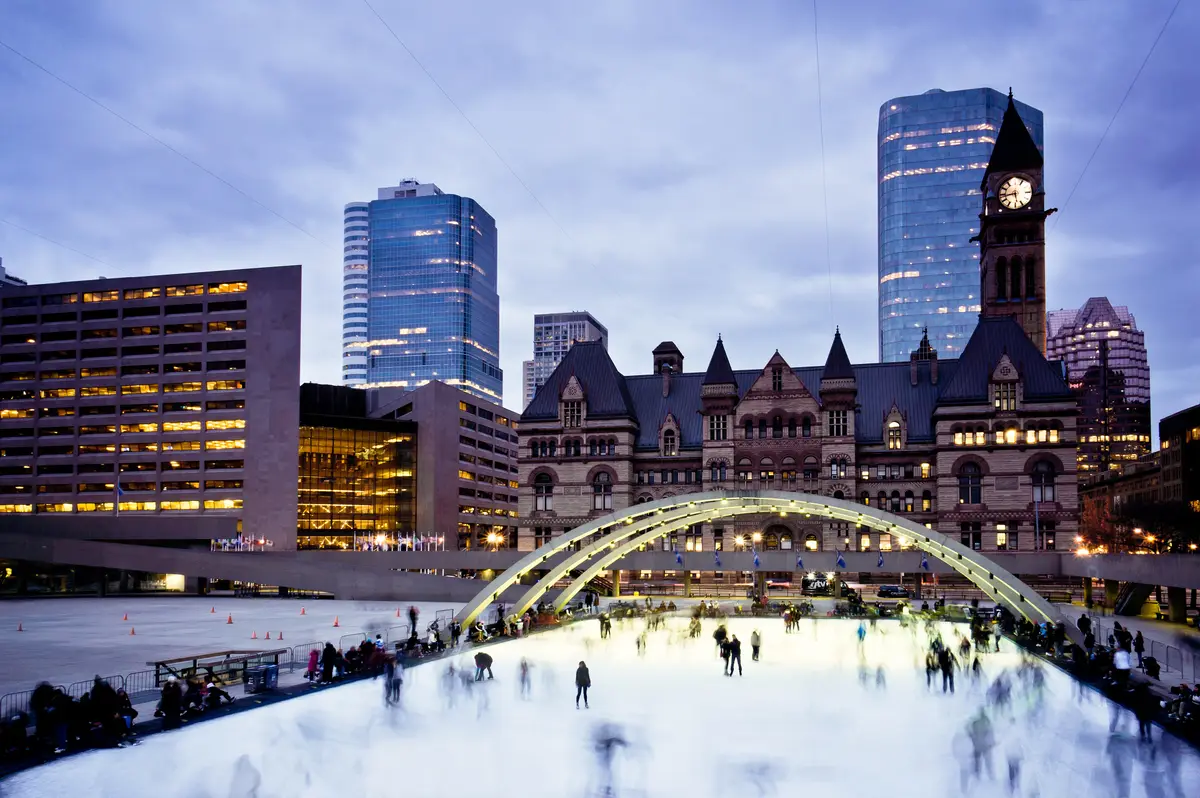
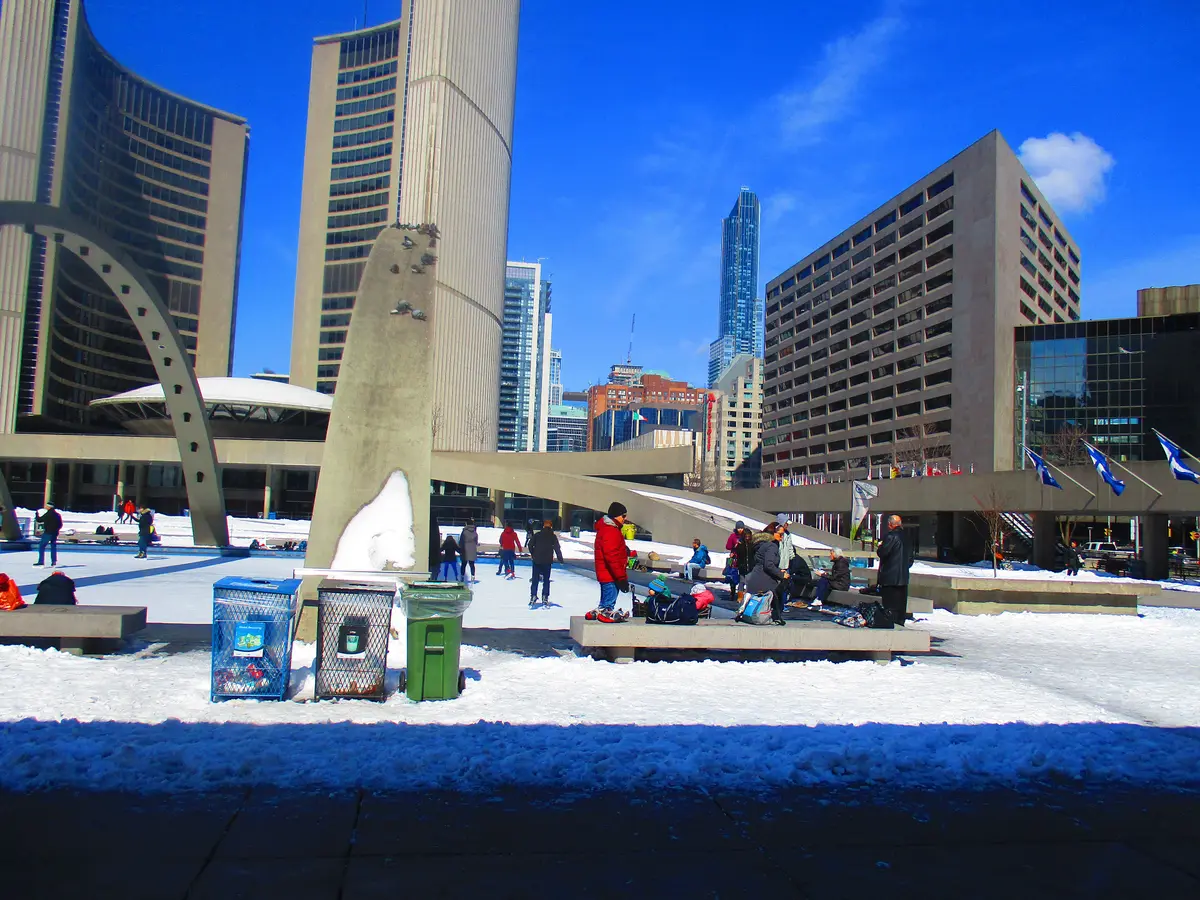
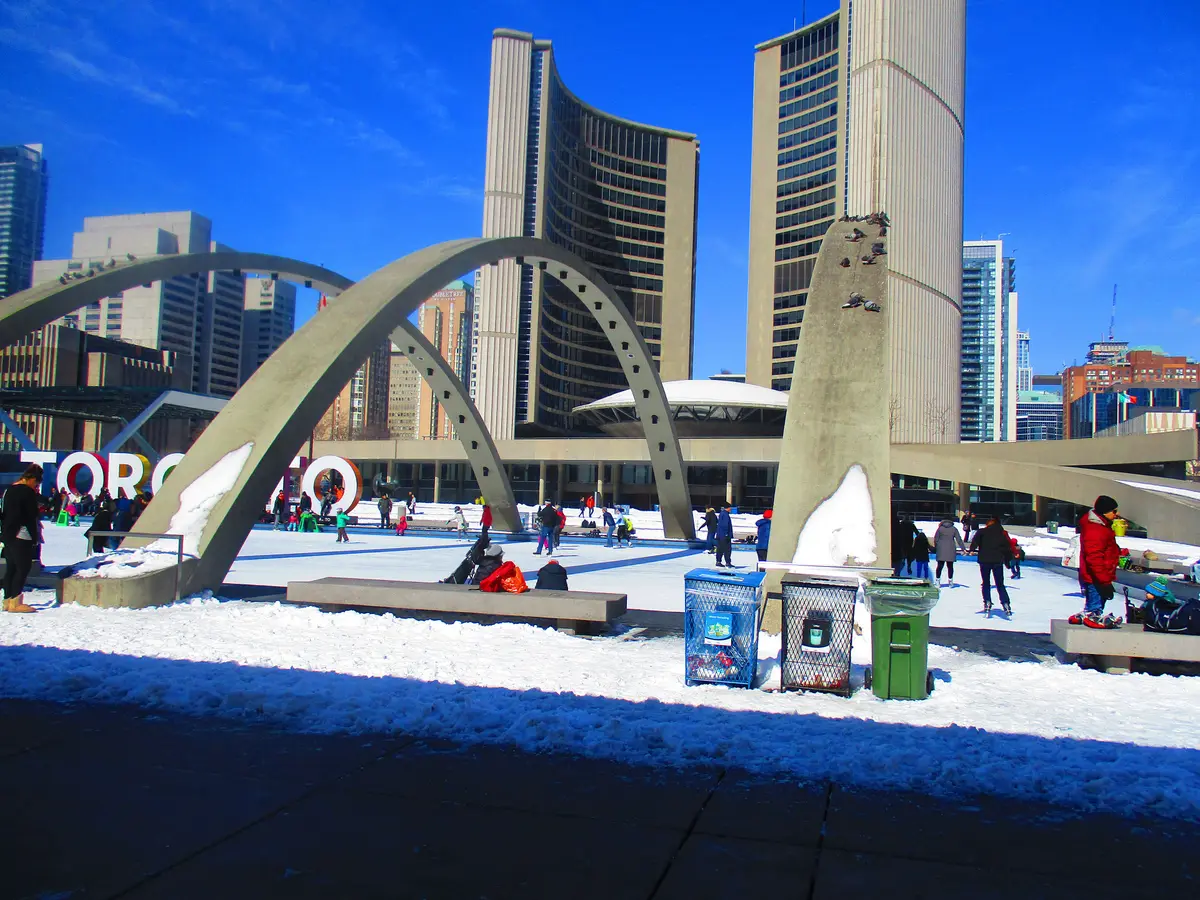
City Hall and Metro Hall are both connected through the PATH. Inside the main entrance, the City says one of the most popular attractions is the mural of nails on the east wall. It is called Metropolis, it was the winning entry in a 1974 art competition and it was installed in 1977. The City’s virtual tour page invites you to discover the architectural features, public art and highlights of the building, which is handy for planning a visit.
Steps above the St. Lawrence Market lies an intimate, historic exhibition space. The council chamber was the only room of the 19th century City Hall saved from demolition in 1902. Pair it with a market lunch and you have a very good cold afternoon; our rainy day guide has more on the market itself.
Which indoor stops are a TTC ride away?
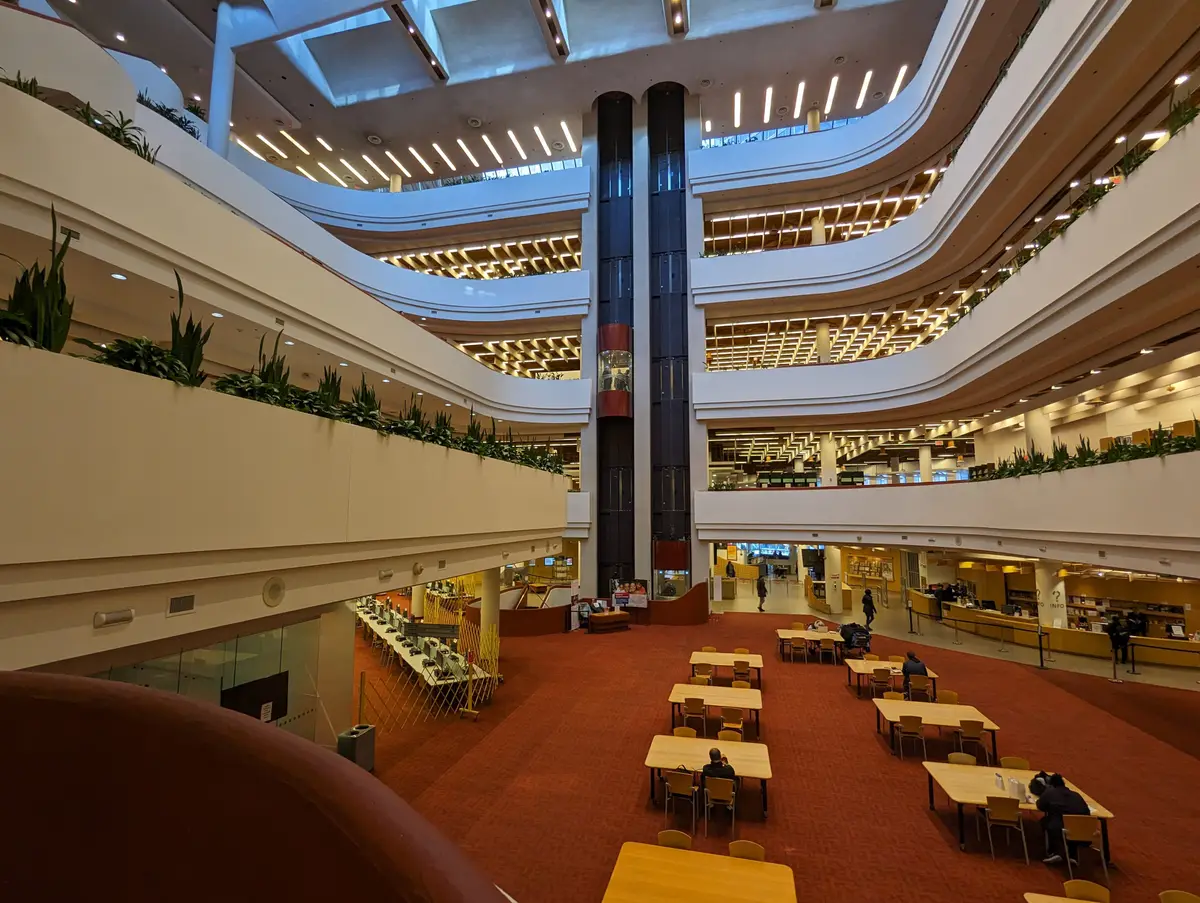
The library is at 789 Yonge Street, one block north of Bloor Street on the east side of Yonge. Architect Raymond Moriyama also designed the Scarborough Civic Centre and the Ontario Science Centre. The reward is the central open atrium, where large ceiling skylights, water features, plants and stepped-back floors remained part of the revised design. The atrium is topped by a skylight that lets air circulate freely. It is a good place to sit for a while, which is the point.
Casa Loma’s own history page says Sir Henry Pellatt drew up plans with Canadian architect E.J. Lennox in 1911 to build a castle in the city of Toronto. The land had already been named Casa Loma by its previous owner, a name that translates from Spanish as Hill House. The castle took three years to build, and Pellatt filled it with artwork from Canada and around the world. The castle’s home page says it is open daily, with date-specific tickets sold online. Check the site for what is on before you go.
Fort York is where British soldiers, First Nations warriors and Upper Canadian militiamen stood together in the War of 1812 to defend the Town of York. The City’s directions say to take the 509 Harbourfront streetcar westbound from Union Station to the Fleet Street and Fort York Boulevard stop, then walk north to the Visitor Centre. Look at the museum’s site for what is open indoors this season.
The museum’s online collection gives you access to 15,000+ objects from over 200 regions of the world, 24 hours a day. The museum’s home page features Always in Fashion, curated by Amber-Dawn Bear Robe, an exploration of how contemporary Indigenous couturiers blend ancestral knowledge with cutting-edge innovation. Check the museum’s site for what is on now.
If you want to be warm in January, go tropical. The conservatory has tropical and arid displays set alongside seasonal plant displays. The main greenhouse contains 200 different varieties of tropical plants that bloom year-round. Banana, soursop and papaya fruit trees are housed there too. Our winter date ideas have more cold-weather plans.
How do you string them together?
Build the day by geography. Hockey Hall of Fame, City Hall and the PATH make a downtown morning. The Reference Library and the Textile Museum make a second route by TTC. Casa Loma, Fort York and the Centennial Park Conservatory are longer trips that deserve a day of their own. For the big picture, our winter in Toronto guide collects the best cold-weather plans, and our Union Station guide is a good place to begin any of these routes.
What does a warm Saturday look like?
Here is a sample plan, built from the stops above:
- Morning on the PATH. Start at the Hockey Hall of Fame, then cross to City Hall for the nail mural.
- Lunch near the market. Walk or ride to the St. Lawrence Market and climb to the Market Gallery.
- Afternoon with a skylight. Ride the TTC to the Reference Library and take a long sit in the atrium.
Any tips for planning a cold-weather route?
Dress in layers you can peel off, because indoor spaces run warm. Carry a printed or downloaded map in case your phone battery fades in the cold. Check each official site before you leave for current hours, what is open and whether you need to book. Plan the walk between stops as part of the outing, too: a short dash outdoors makes the next lobby feel even better.
Send this to the friend who says there is nothing to do in February.
Sources (12)
- Toronto Reference Library, Toronto Public Library
- Toronto Reference Library at 40: Raymond Moriyama and the Original Architecture, Toronto Public Library
- Location and Directions, Hockey Hall of Fame
- Esso Great Hall History and Architecture, Hockey Hall of Fame
- City Hall Virtual Tour & Points of Interest, City of Toronto
- PATH: Toronto's Downtown Pedestrian Walkway, City of Toronto
- Market Gallery, City of Toronto
- Fort York National Historic Site, City of Toronto
- Centennial Park Conservatory, City of Toronto
- History, Casa Loma
- Casa Loma, Casa Loma
- Textile Museum of Canada, Textile Museum of Canada
Spotted something out of date? Let us know.
How did this land?
Send this to the friend you would bring.
Share this
“Saving this for the first really cold Saturday: eight indoor Toronto stops, from a stained glass dome to a castle to a tropical greenhouse.”