Archive DeskFeature
History of Toronto's Chinatown: Moves Along Spadina and Dundas
From a laundry on Adelaide Street to Elizabeth Street, then west to Spadina and Dundas: how Toronto's Chinatown kept its community and moved with it.
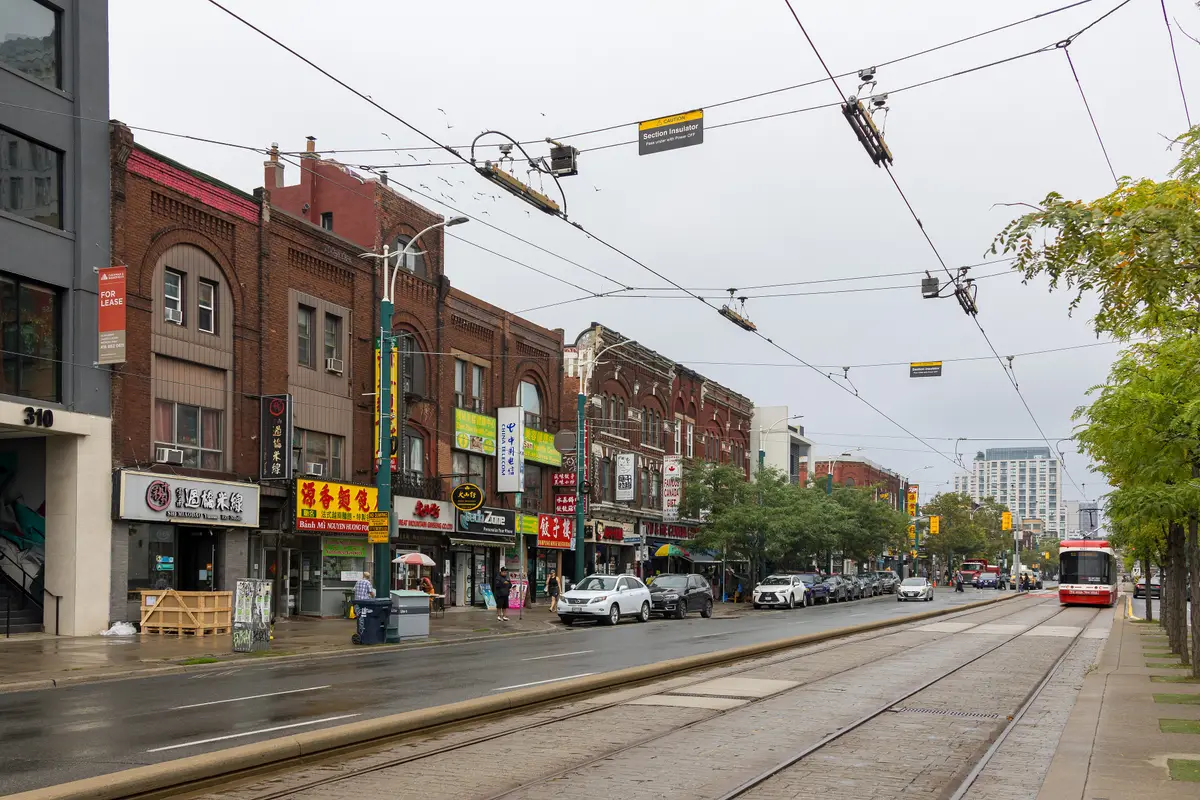
Toronto’s Chinatown is a neighbourhood that has packed up and moved more than once, and each time it brought the community, the cooking and the name along with it.
How did Toronto’s Chinatown begin?
The City of Toronto Archives says a city directory shows Sam Ching among the first Chinese working in Toronto in 1878, running a laundry downtown at 9 Adelaide Street East. By 1909 the directory showed clusters of Chinese shops at Queen and George and at Queen and York, and Chinatown had emerged on Elizabeth Street, north of Queen Street. Heritage Toronto describes Elizabeth Street as a corridor for St. John’s Ward, the centre of Toronto’s Chinese community in the early twentieth century.
What was Elizabeth Street like?
It was a street of shops, associations, theatres and tables. The Chinatown BIA says residents developed their shops, associations, political groups, media networks, theatres and opera houses around Elizabeth Street and the smaller streets beside it. The Archives lists some of the details: Gip Kan Mark was the first Chinese person to own property on the street, in 1911. In 1922 the Lung Kong Brotherhood bought 24 Elizabeth Street and built a three-storey building there. The Chinese United Dramatic Society built a hall with a capacity of 250 seats at 96-98 Elizabeth, where it performed Cantonese opera. Chinese Freemasons backed Dr. Sun Yat-sen’s revolution by borrowing funds against their building on York Street. In January 1912, fifteen hundred people gathered at Victoria Hall to celebrate the founding of the Republic of China. From 1911 to 1941, Toronto had the third most populous Chinese community in Canada, after Vancouver and Victoria.
What did people eat there?
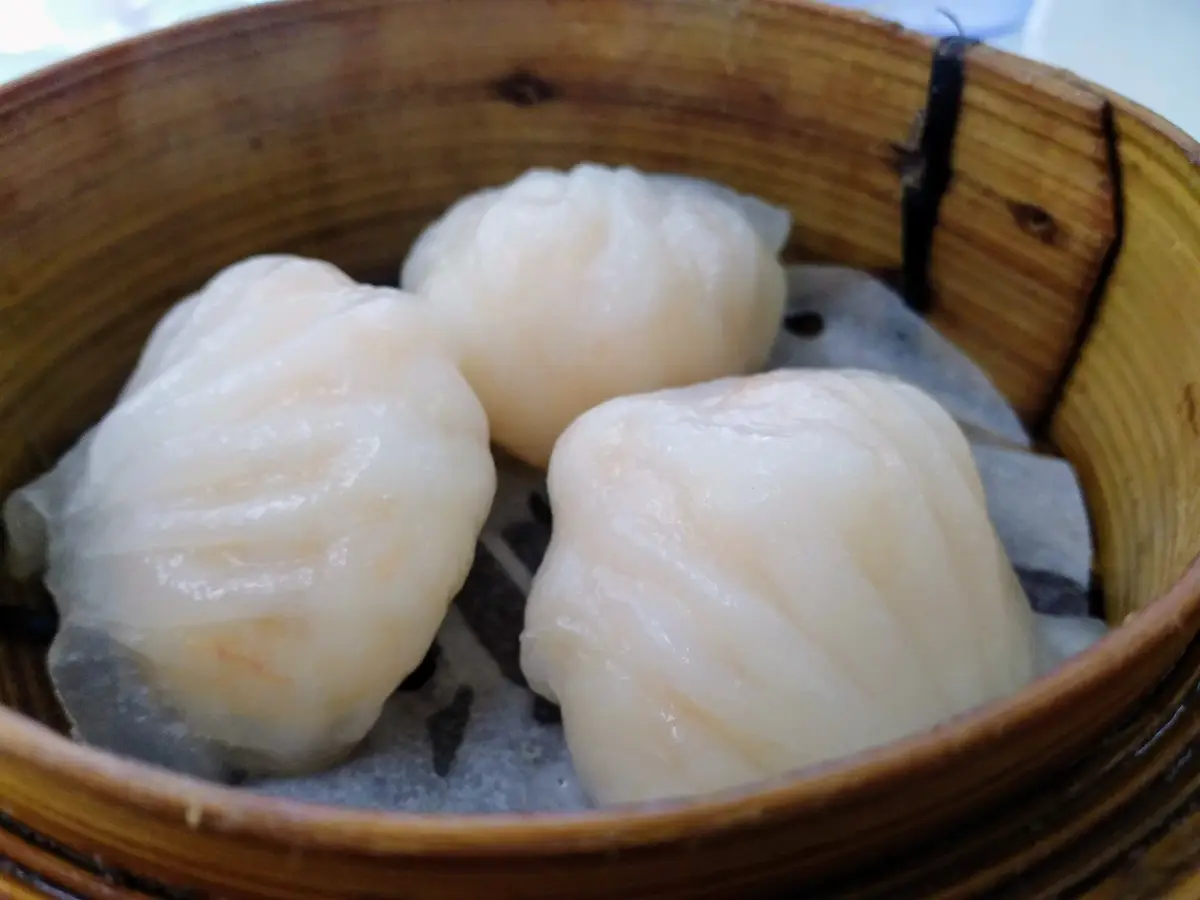
Heritage Toronto says Sing Tom’s Cafe, the first Chinese-owned restaurant in Toronto, opened nearby at 37 1/2 Queen Street in 1901. By 1922 Toronto was home to more than 100 Chinese-owned restaurants, many of them in the Ward. Lichee Garden opened in 1948 and Sai Woo in 1957. In 1959, Jean and Doyle Lumb opened the Kwong Chow restaurant on Elizabeth Street, and it became one of the first restaurants in Toronto to serve dim sum. If you like your history served warm, this is the chapter to read before dinner on Spadina. Our Chinatown restaurants guide picks up where this story leaves off.
Why did Chinatown move?
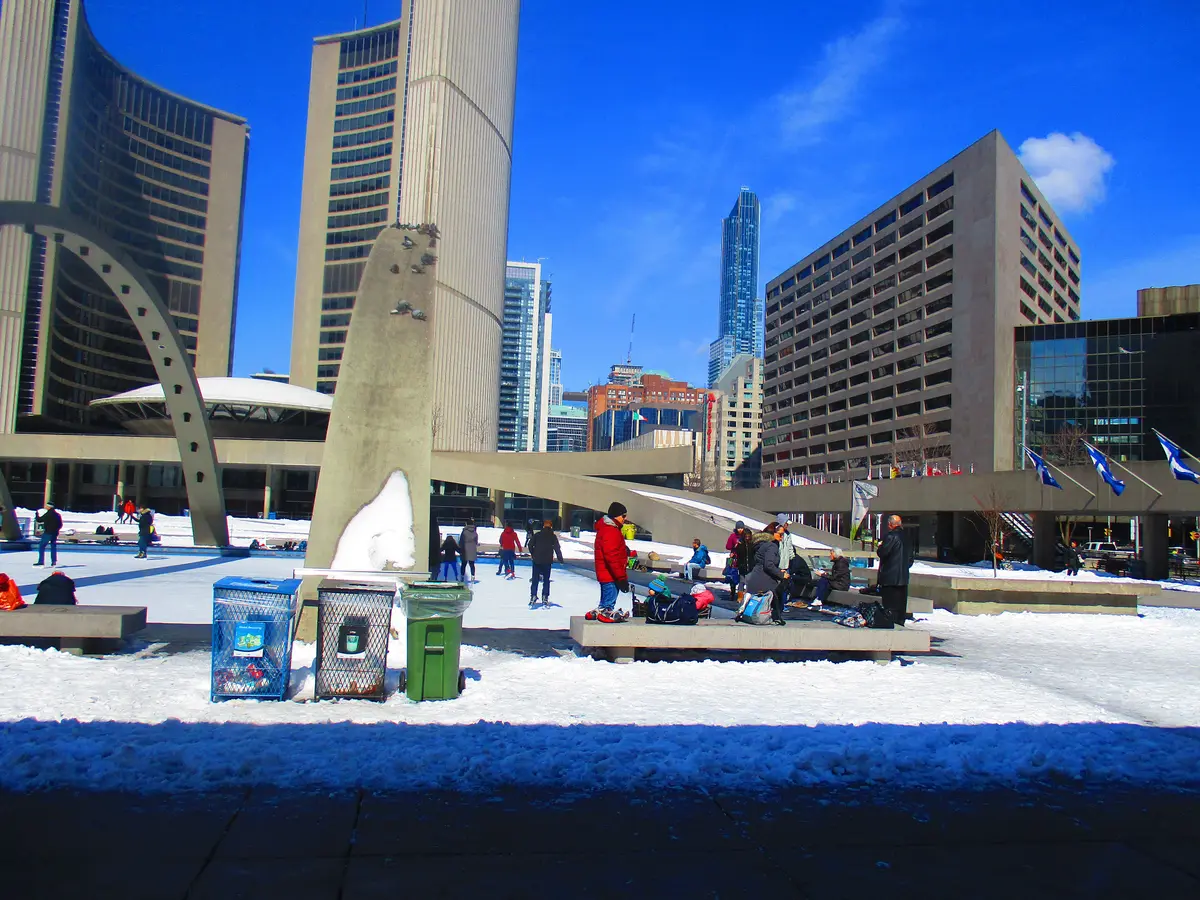
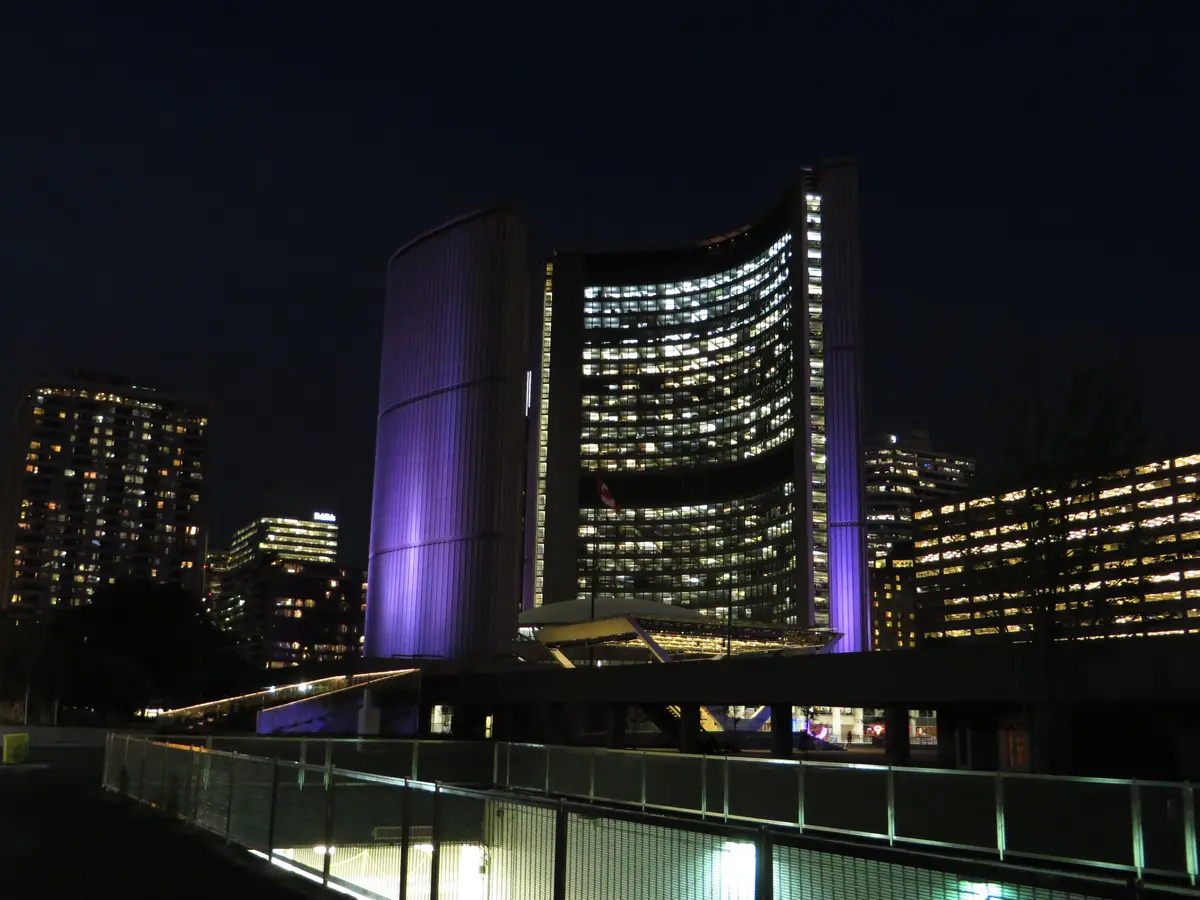
Toronto voters approved spending for a new civic square and city hall on January 1, 1947. The Archives says the project led some businesses from the southern part of the Elizabeth Street Chinatown to move to the northern end of the street, closer to Dundas. In 1955, City officials preparing for the new City Hall expropriated the shops and restaurants of Chinatown, where 500 people had been employed, and construction started in 1962. The BIA says the space was used for the new City Hall and Nathan Phillips Square.
The community did not simply watch. Chinese Canadians who wanted to save the remaining Elizabeth Street Chinatown formed the Save Chinatown Committee. After its report in 1969, City Council endorsed the idea of keeping old Chinatown. In 1970, Council established a special committee to support and preserve the Chinese community in downtown Toronto. The Chinatown BIA says the preservation committee was led by Jean Lumb. Heritage Toronto adds that she was appointed to the Order of Canada in 1976, the first restaurateur and first Chinese-Canadian woman to receive the honour.
How did Spadina and Dundas become Chinatown?
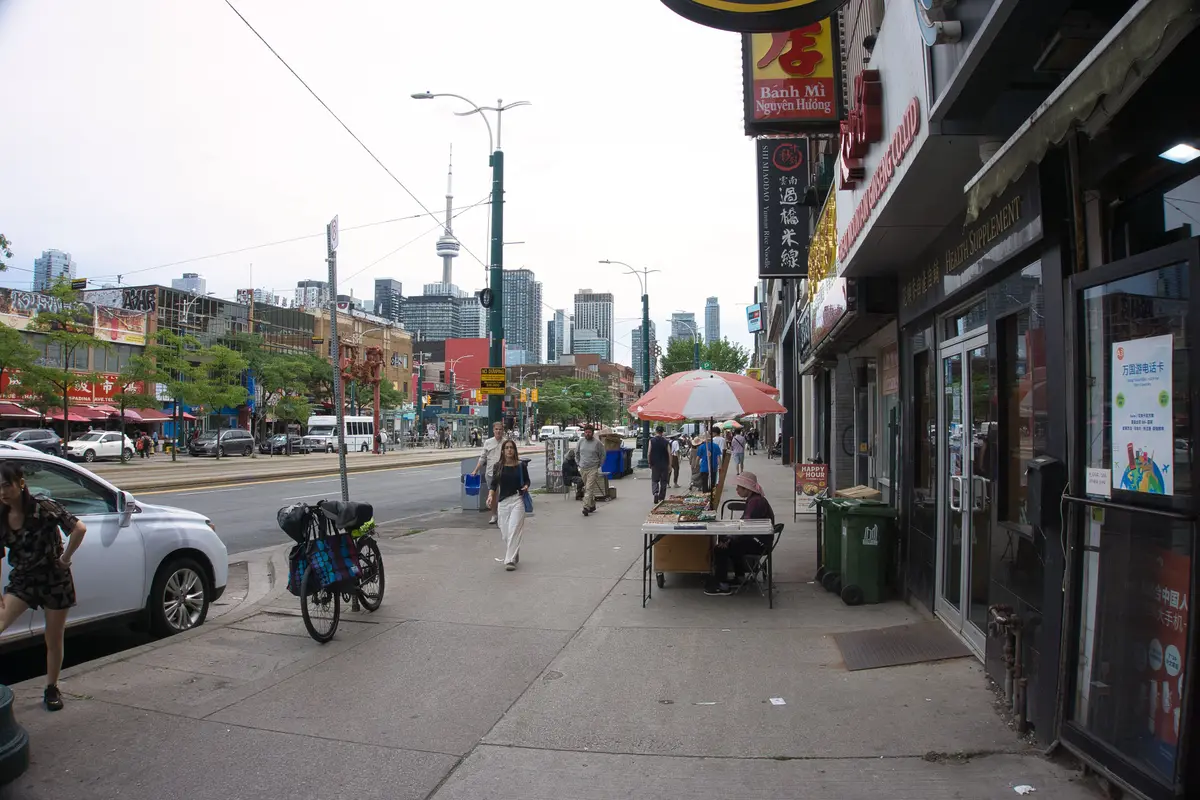
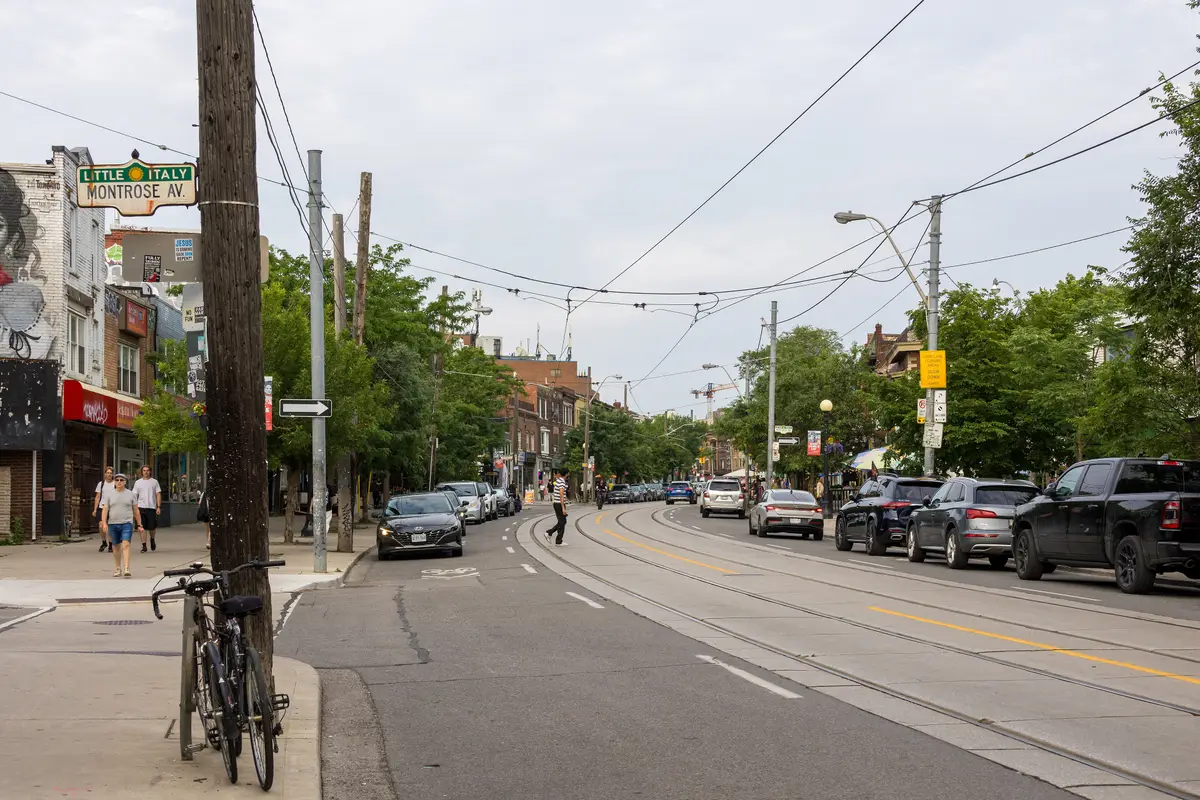
In 1967, Canada’s immigration laws let more Chinese, mostly from Hong Kong, enter, and a new Chinatown emerged around Spadina Avenue and Dundas Street, according to the Archives. Toronto’s Chinese population was about 3,000 in 1951 and rose to 6,700 ten years later. The Archives also records that in 1972, Chinese Christians bought the Beverley Street Baptist Church building, a designated heritage site, and it became the Toronto Chinese Baptist Church. It holds a 1971 photograph of a street festival at the Dragon Mall on Elizabeth Street, south of Dundas. The Chinatown BIA describes West Chinatown as a portion of Old Chinatown relocated to Spadina Avenue and Dundas Street West, and one of five Chinatown hubs of the GTA.
What marks the story today?
In August 2007, a Heritage Toronto plaque was unveiled at City Hall to commemorate the Elizabeth Street Chinatown, at the north-west corner of Nathan Phillips Square, near the Archer statue. The Chinatown BIA, a not-for-profit community-based City of Toronto agency, was established in the same year. The BIA says that if you walk Elizabeth Street up to Dundas Street West, many signs remain on old buildings. The Toronto Chinatown Festival, an annual festivity started back in 2000, keeps the story moving every summer. In 2025, community members from West Chinatown took part in the City’s Cultural Districts Program engagement.
Where can I see archive photos?
The City of Toronto Archives has a guide to records about Chinese communities in Toronto, illustrated with photographs, documents and drawings from its collection. Toronto Public Library’s Digital Archive holds 170,000+ historical photos, books and Toronto maps digitized from its collections. Pair that with a walk: start at Nathan Phillips Square, find the plaque, then head up to Dundas and west to Spadina. For more local history, read our Kensington Market history, the story of how Spadina got its name and our history of Toronto guide, and browse the Chinatown hub.
Send this to the friend you would bring on the walk, and let them find the plaque first.
Sources (6)
- Chinese History in Toronto (research guide), City of Toronto Archives
- Good Eats: restaurants of the Elizabeth Street Chinatown, Heritage Toronto
- About Us, Toronto Chinatown BIA
- Toronto Chinatown Festival 2026, Toronto Chinatown BIA
- Local History & Genealogy, Toronto Public Library
- Little Jamaica & Oakwood Vaughan Planning Framework, City of Toronto
Spotted something out of date? Let us know.
How did this land?
Share this
“A neighbourhood that moved without losing itself: the story of Toronto's Chinatown, from Elizabeth Street to Spadina and Dundas.”