Archive DeskFeature
History of Kensington Market, Toronto, Decade by Decade
From the Denison estate to a National Historic Site, trace Kensington Market's story through the waves of newcomers who built its shops, streets and spirit.
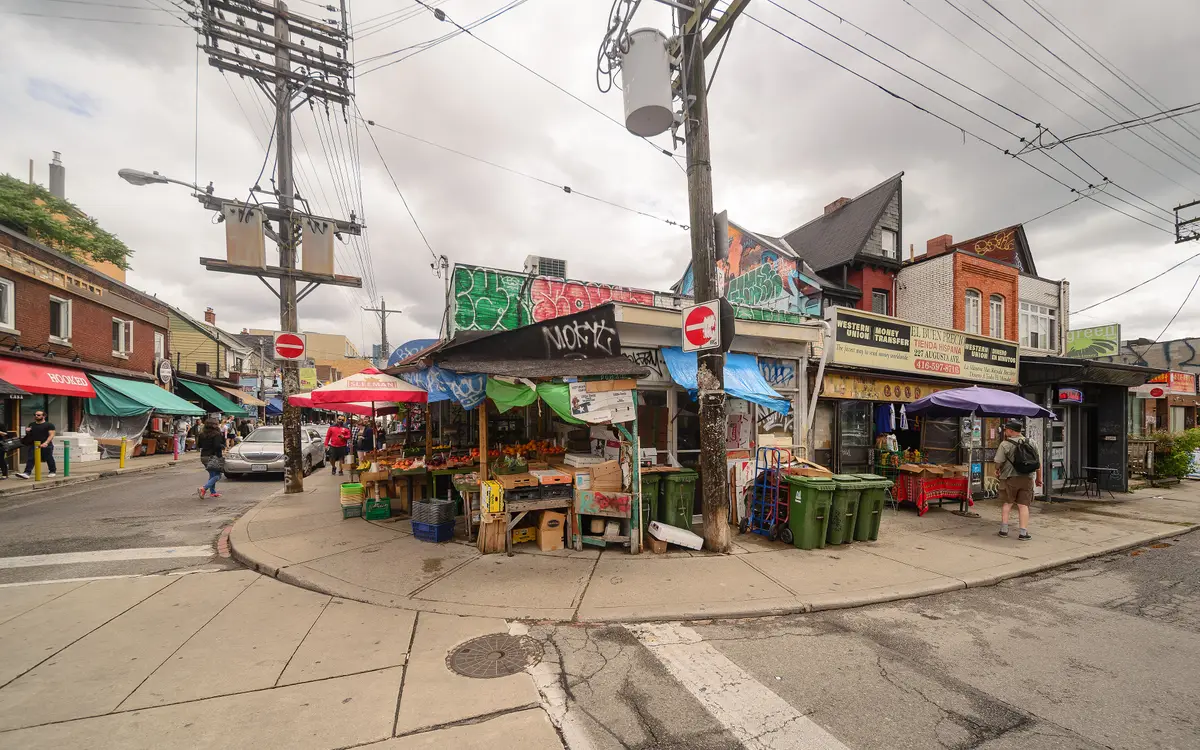
Picture Kensington Avenue in May 1925, when a milk store stood at number 71. A weekly market had already emerged along Kensington Avenue and Baldwin Street by 1918, and business did not need a storefront: peddlers sold fruit, dry goods or rags from the curb or from push carts. Move forward a century and the same blocks are a National Historic Site of Canada.
What was here before the market? (1815 to the 1890s)
The area was first developed in 1815 by George Taylor Denison, who built the Bellevue Estate on a 40-hectare (100-acre) parcel west of Spadina Avenue. If you have ever wondered about that avenue’s name, our story on how Spadina got its name is a good companion.
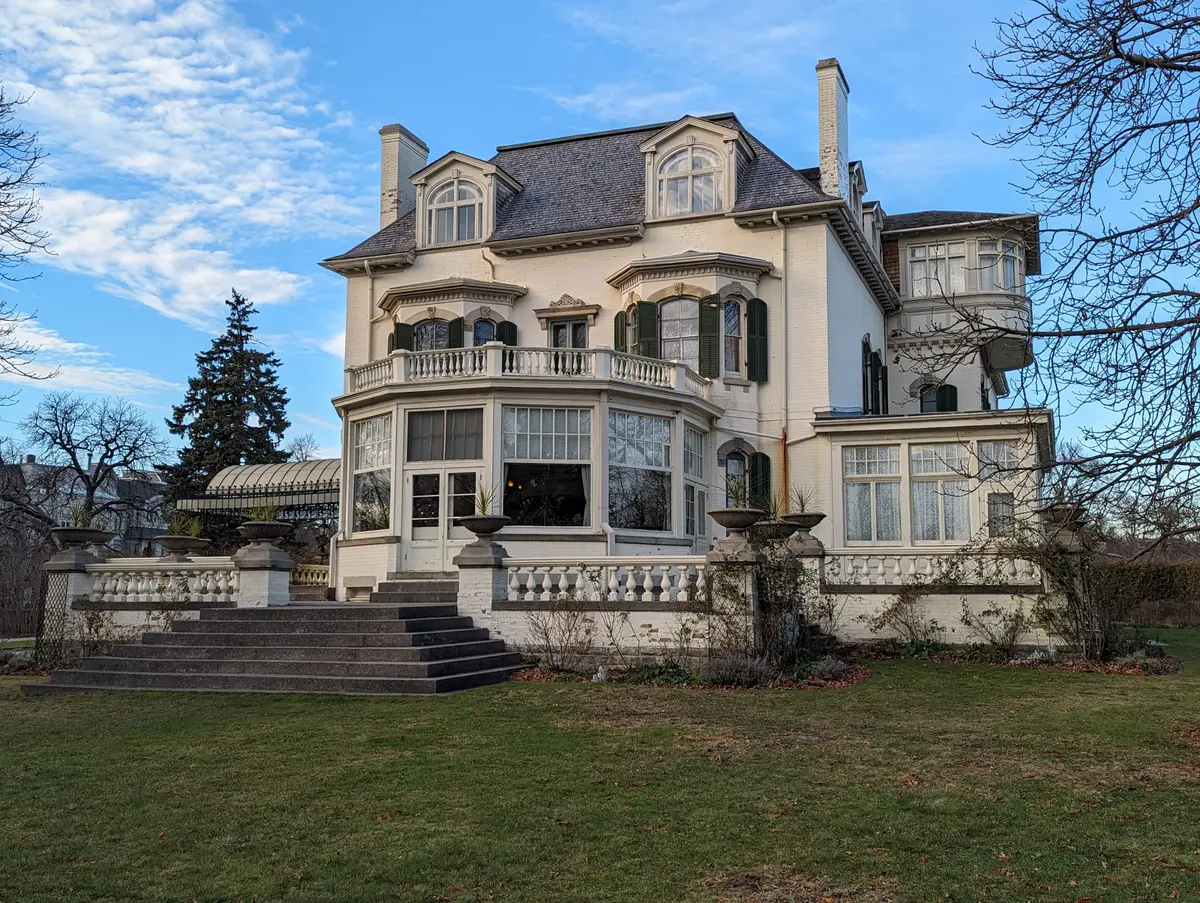
In the 1850s and 1860s the Denisons gradually subdivided the land and sold it to British and Irish immigrants, and workers built small cottages along the many laneways. The Belle Vue estate house was demolished in 1899, but a portion of the former estate property remained as a public park. Bellevue Square Park was donated to the City by Denison’s heirs in the 1890s. That small park is still the neighbourhood’s living room.
Who built the Jewish Market? (1900s to the 1930s)
In the early 20th century Kensington saw an influx of Jewish immigrants, mostly from Russia and eastern and south-central Europe, who over the next thirty years established its dynamic character as a market. They converted Victorian houses into small family-run stores by adding makeshift ground-floor shops, and the area was known for decades as the Jewish market.
Community life grew alongside the commerce. The congregations of the Kiever and the Minsker were both formed in 1912. The Kiever synagogue building was completed in 1927, and the Minsker synagogue at 10 St. Andrew Street was completed in 1930.
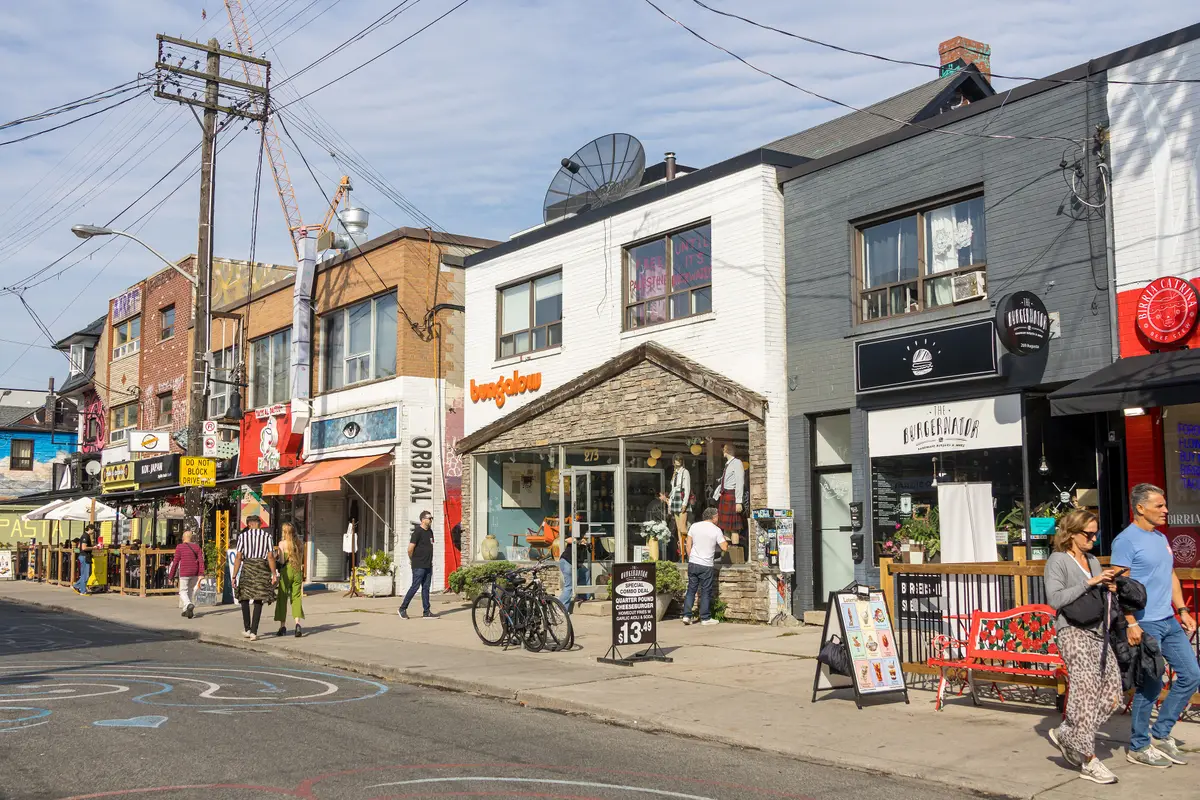
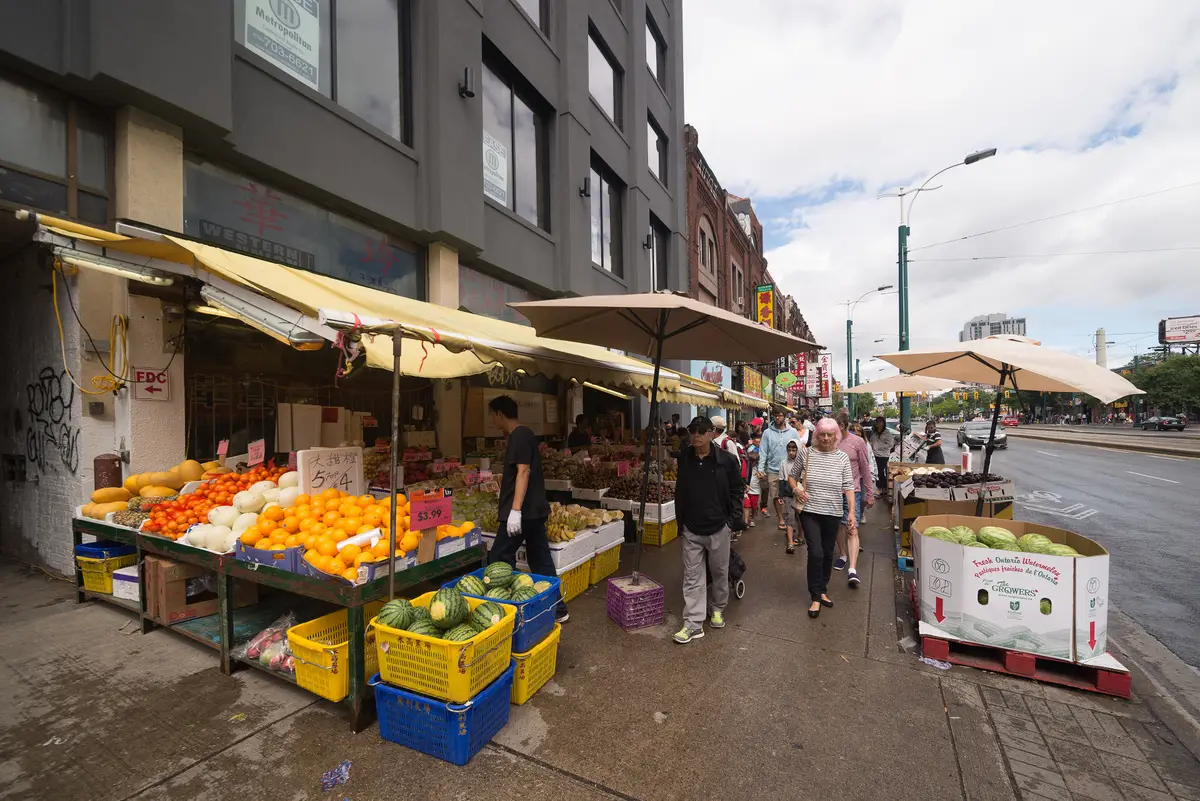
In the 1920s and 1930s the shops extended farther onto the narrow streets, with canopies and outdoor stalls reaching the street and additions built onto many houses. That open-air look is the market’s signature, and you can still see its descendants in the awnings today.
How did it become Kensington Market? (1940s and 1950s)
Starting in the 1940s the Jewish community gradually moved to North York along Bathurst Street, and by the 1950s the area had taken on the broader name Kensington Market. As Jewish families moved out, Hungarian and Portuguese immigrants began moving in, and many of the canopies and enclosures in front of businesses that characterize the market today were erected in that period. Augusta Avenue became known as “A rua dos Portugueses”, the street of the Portuguese.
From the 1950s the market hosted a more diverse mosaic that included post-war immigration from Eastern Europe, Portugal and Italy.
Who arrived in the 1960s and 1970s?
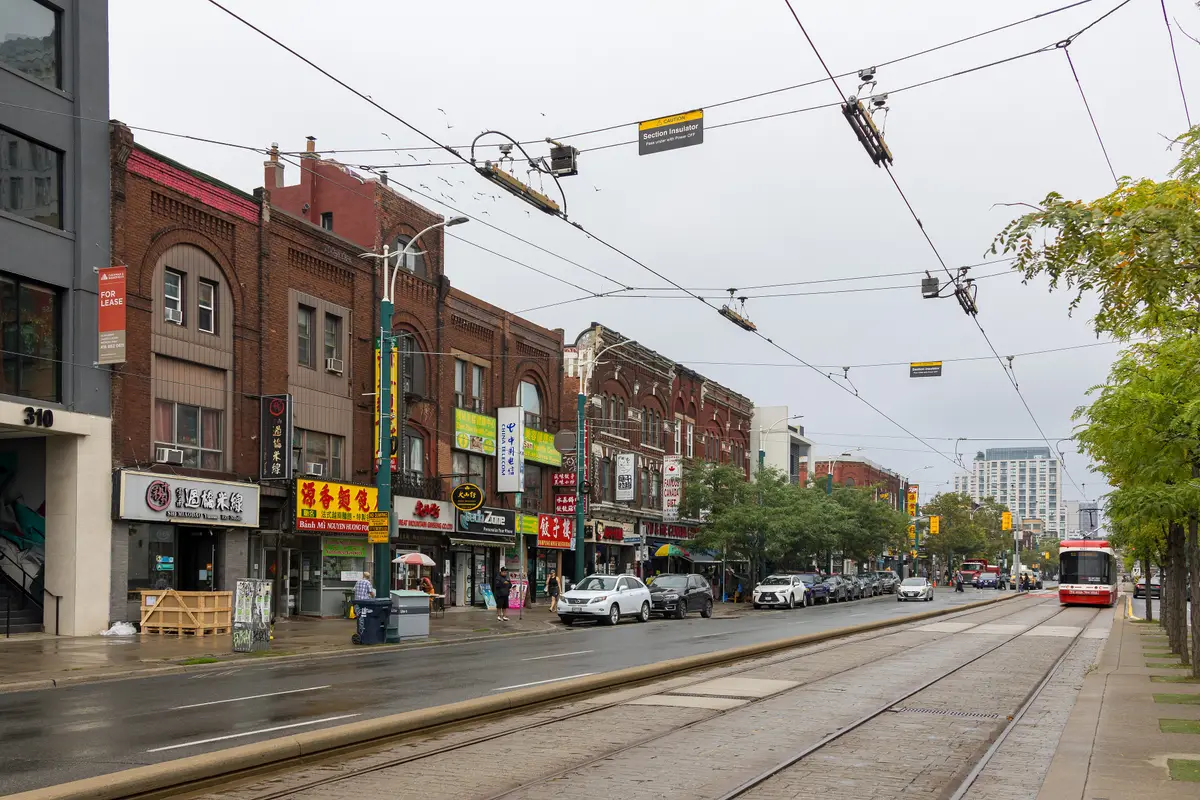
In the 1960s Afro-Caribbean, Chinese and East Indian businesspeople moved into the neighbourhood and opened shops. Policy shifts then had a pronounced impact on diversity through the 1970s and 1980s as immigrants from China, Korea, Vietnam, Latin America and Jamaica found a landing place in Kensington Market. Reggae artist Stranger Cole opened Roots Records at 58 Kensington Avenue in 1978, one of the first Caribbean businesses in Kensington Market. Chinatown West maintains close interrelationships with the market, reflected in a porous boundary between the two areas.
The neighbours organized, too. Residents successfully lobbied the Toronto District School Board to build a community school, and the Kensington Community School, at the corner of College and Lippincott streets, opened in 1973 and still provides education for Junior Kindergarten to Grade 6 students. The market was also an early home of Glad Day Books and the Body Politic in the 1970s.
Then television noticed. In the mid-1970s the CBC launched “King of Kensington”, a popular show set in the market. It offered a snapshot of daily life in a lighthearted way, was popular throughout its run and ended in 1980. A statue of its star was erected in Bellevue Square Park after his death in 2001.
What happened in the 1980s and 1990s?
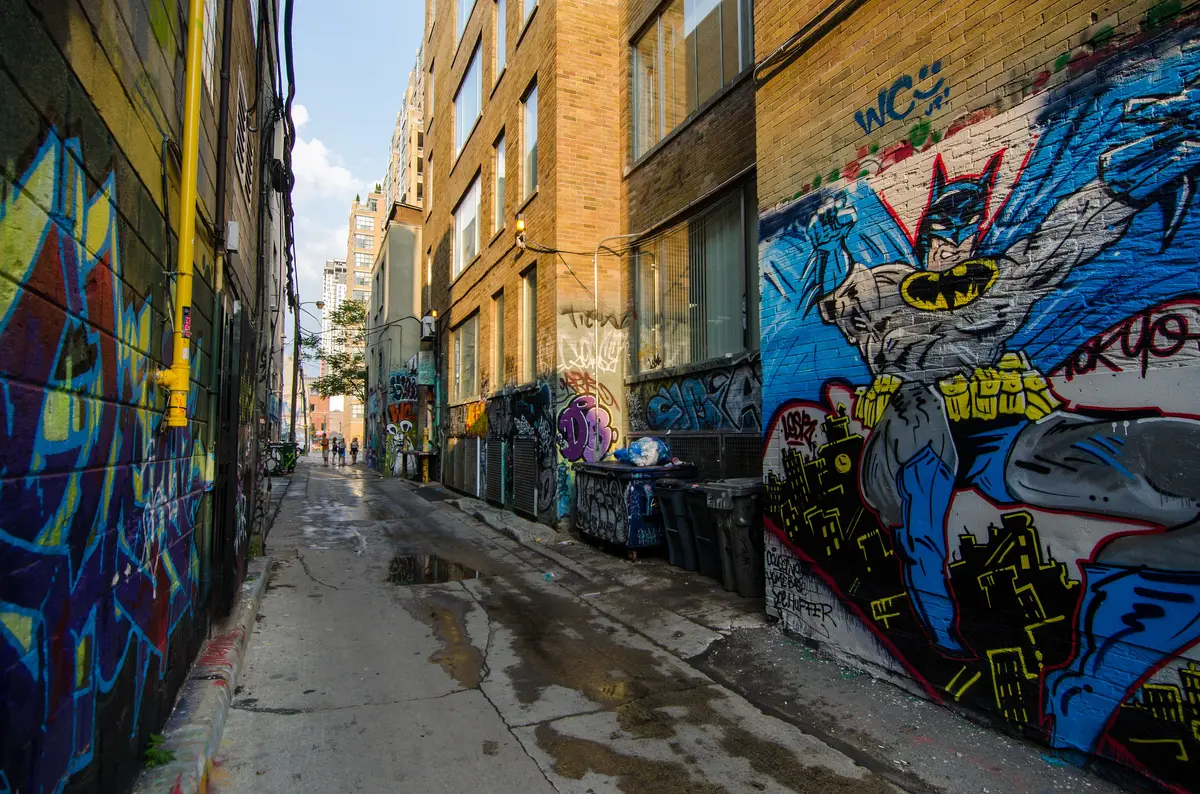
Kensington became a centre of punk culture in the 1980s and 90s. A Mona Lisa mural was painted in the 1980s on the south side of the building at 54 Kensington Avenue. The annual Winter Solstice Festival started in 1988.
How is the story still being written? (2000s to today)
Pedestrian Sundays began in 2004. Parks Canada lists November 27, 2006 as the designation date of Kensington Market National Historic Site of Canada, although the heritage-value text on the same page says it was designated in 2005. Official recognition covers the entire 27-hectare neighbourhood. The plaque is on the north side of Bellevue Square near Augusta Avenue. Parks Canada says the market recalls the history of the Canadian urban immigrant experience in the 20th century.
In 2018 Bellevue Square Park was revitalized, including a new plaza at its northeast corner to better integrate the park with Augusta Avenue. The Kensington Community Land Trust acquired the building at 54 Kensington Avenue in 2021, and it features that Mona Lisa mural. In 2026 the neighbourhood’s Heritage Conservation District Plan was approved by the Ontario Land Tribunal. The City sums it up neatly: the area has seen several waves of immigration from the late 19th century to the present, each generation contributing to the character and dynamism of Kensington Market.
Where to go next
Walk the history with your stomach in where to eat in Kensington Market, then browse the Kensington Market neighbourhood hub for more. If the story pulled you in, the history of Toronto guides keep going, and our Toronto murals guide covers the wall art you will spot on the way.
Send this to the friend who still calls it the market without knowing what it used to be called.
Sources (3)
- Kensington Market National Historic Site of Canada, Parks Canada
- Kensington Market Heritage Conservation District Plan, Volume 1, City of Toronto
- Kensington Market Heritage Conservation District Plan, City of Toronto
Spotted something out of date? Let us know.
How did this land?
Share this
“Saving this for Saturday: Kensington Market's story, decade by decade, from a Denison estate to a National Historic Site.”