Archive DeskThen and now
Casa Loma History: The Toronto Castle Then and Now
Who built Casa Loma, when the castle went up, and how a hilltop dream became a City-owned heritage landmark, told in then-and-now chapters.
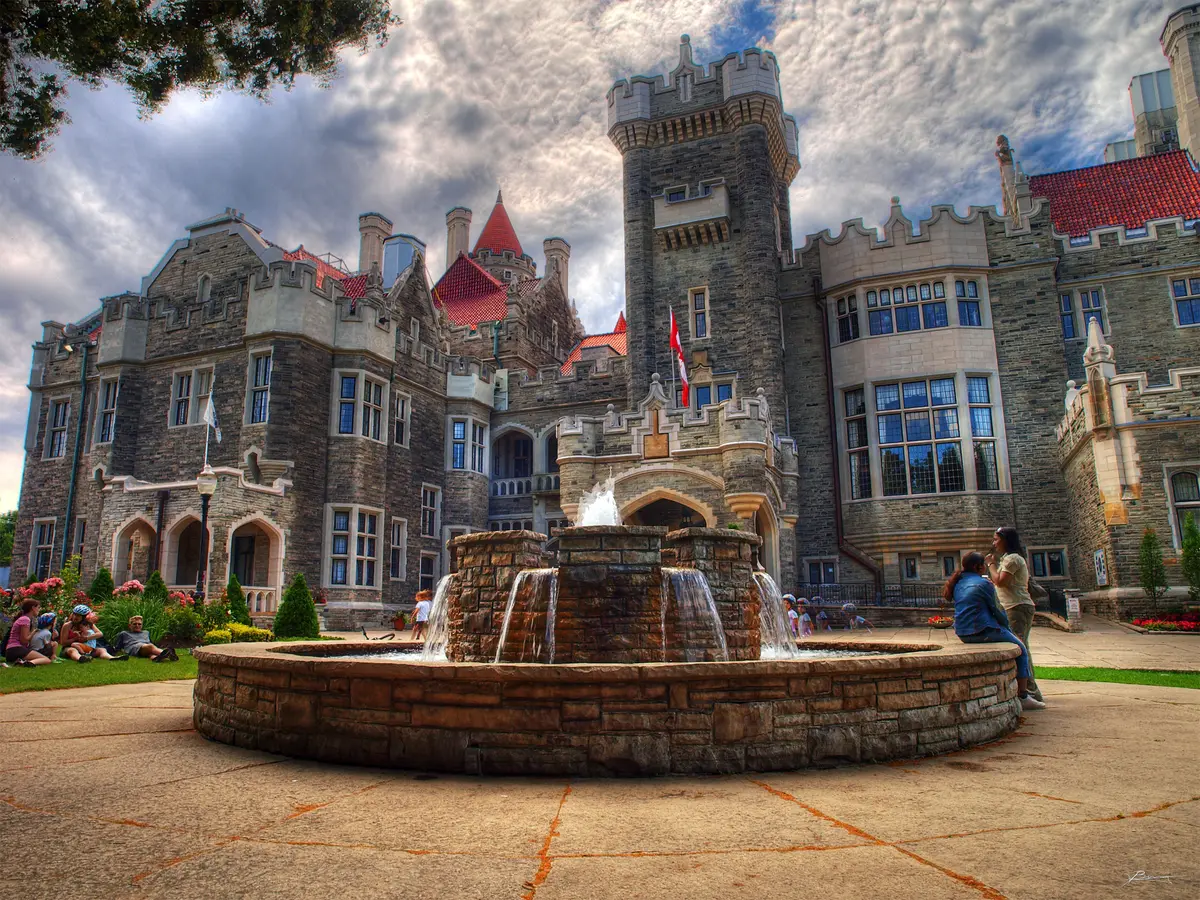
Every castle starts as an idea, and Casa Loma’s own history page dates Toronto’s to 1911.
Who built Casa Loma?
Sir Henry Pellatt, working with architect E.J. Lennox. Casa Loma’s own history page says Pellatt drew up plans with Lennox in 1911 to build a castle in the city of Toronto. Pellatt was born in Kingston on January 6, 1859, founded the Toronto Electric Light Company in 1883, and was knighted in 1905 for his military service with the Queen’s Own Rifles.
The name came with the land. Casa Loma’s history page says the previous owner had called the property Casa Loma, which in Spanish translates to “Hill House.”
Who was Sir Henry Pellatt?
A young man in a hurry. Casa Loma’s history page says he left Upper Canada College at seventeen to join the family business and became a full partner in his father’s stock brokerage firm by twenty-three. By 1901 he was chairman of twenty-one Canadian companies with interests in mining, insurance, land and electricity. In 1902, he and his partners won the rights to build the first Canadian hydro-generating plant at Niagara Falls.
The castle idea had a source too. Casa Loma’s history page says travels to Europe gave Pellatt a love of fine art and architecture, which spurred his vision of the “House on the Hill.”
How long did it take to build?
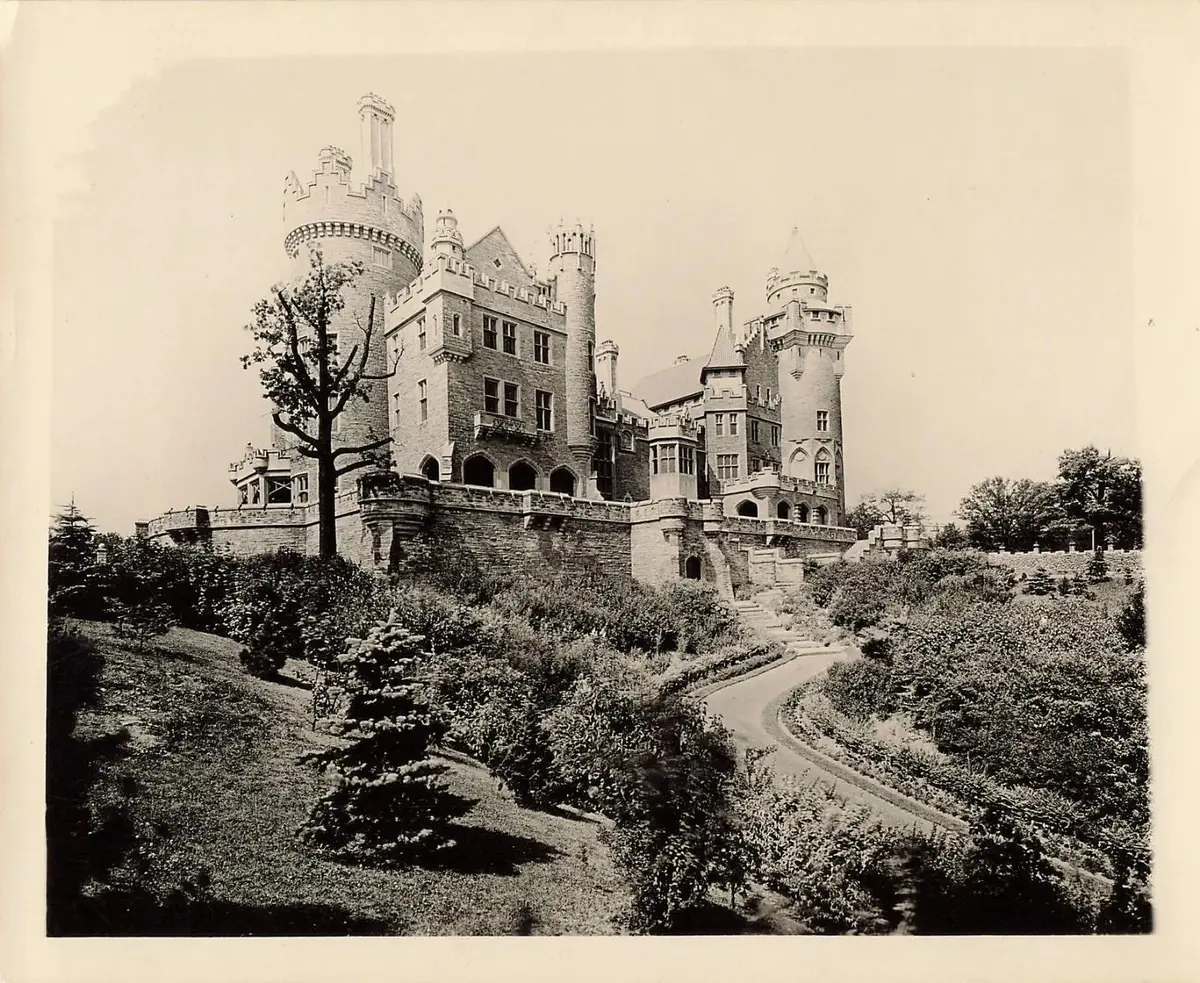
Three years, according to Casa Loma. The castle’s own About page says it was first built in 1914. The Dictionary of Canadian Biography adds a useful detail: in late 1913 the Pellatts moved into their unfinished mansion, looking south over the city. Two sources, one very big house.
While the castle went up, the family lived close by. A City of Toronto Archives caption records a 1909 photograph taken in front of the Hunting Lodge on the grounds, the Pellatts’ home while Casa Loma was under construction.
What made Casa Loma so remarkable?
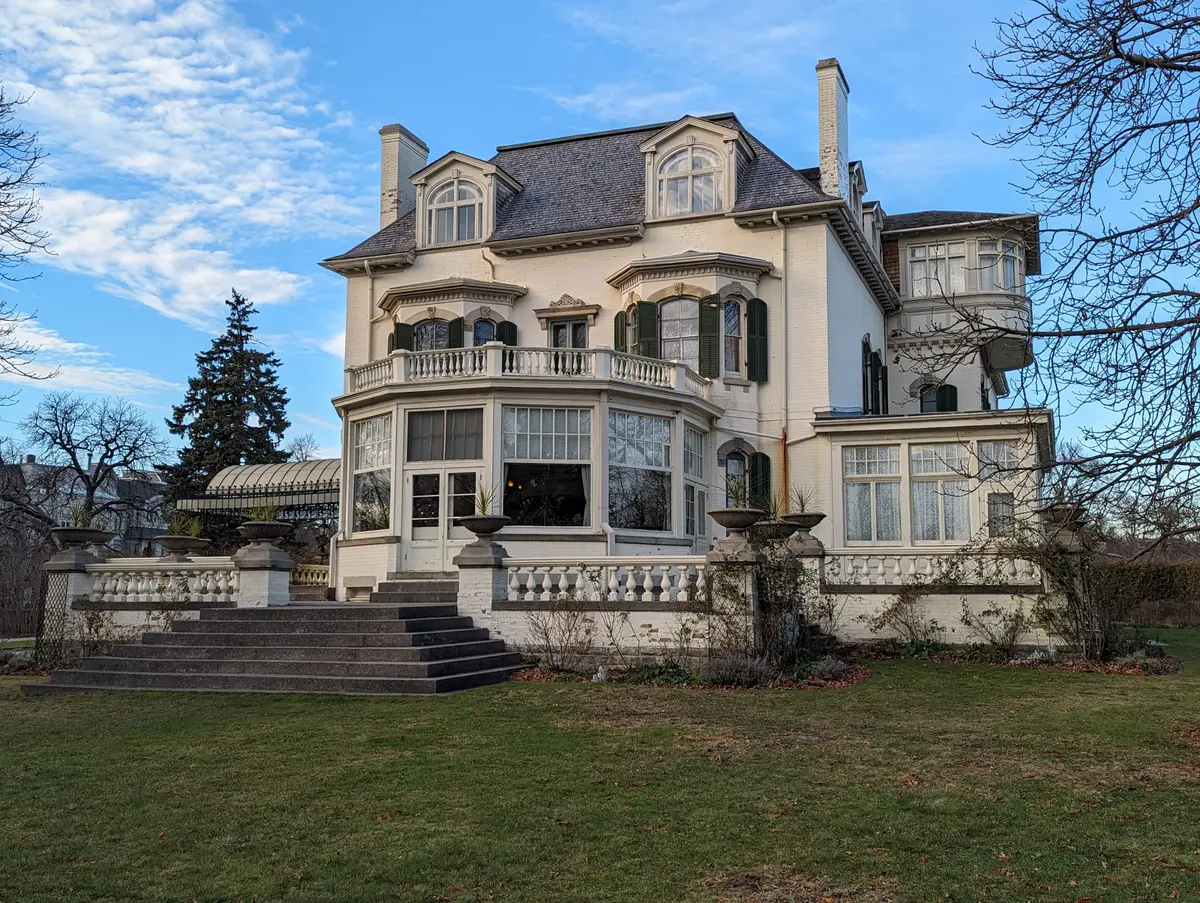
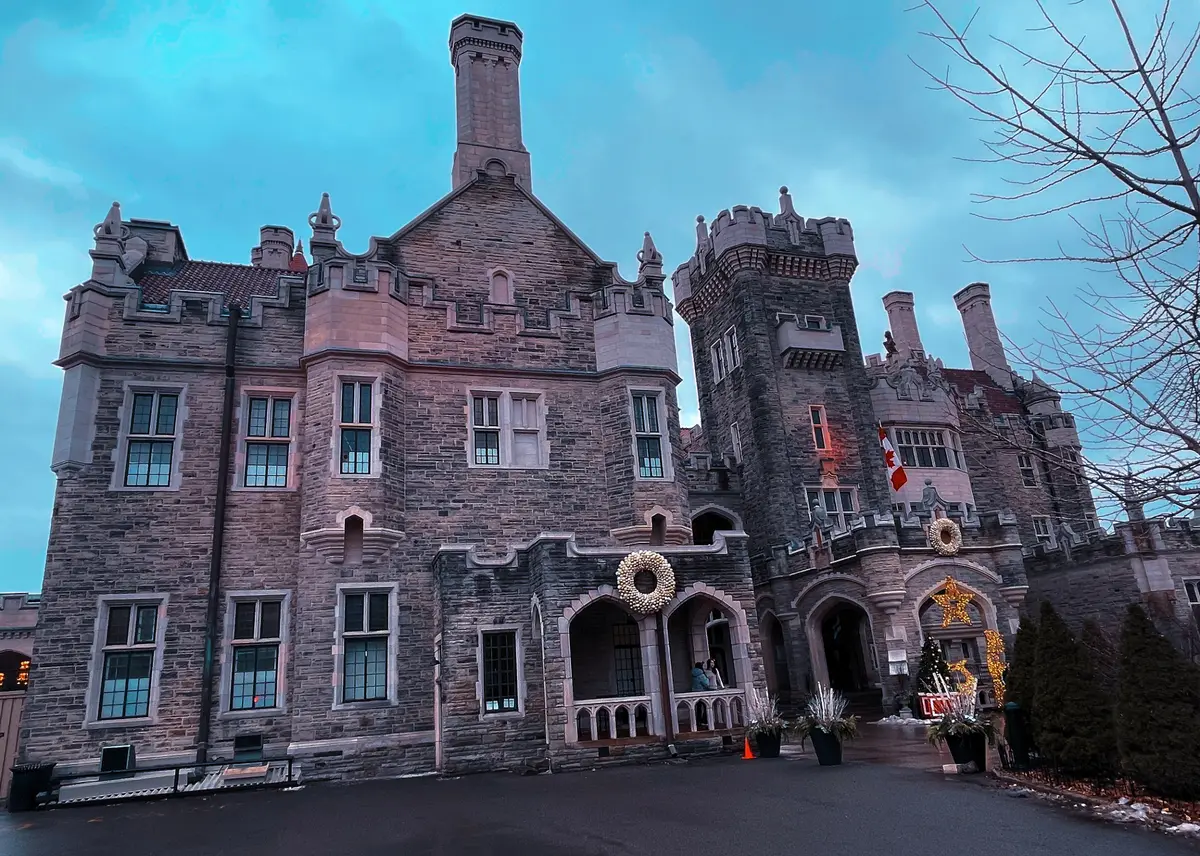
Scale, mostly. The Dictionary of Canadian Biography describes it as the largest private residence ever built in Canada and says it was instantly a major landmark. The castle’s own history page describes soaring battlements and secret passageways that pay homage to the castles and knights of days gone by. It also says Pellatt filled the house with artwork from Canada and around the world.
Casa Loma describes itself as one of the only true castles in North America. The Dictionary of Canadian Biography records that one newspaper dubbed it a “Canadian Baronial Castle.” The Loop’s take: the towers look the part.
What else did the Pellatts do?
Quite a bit beyond the house. Casa Loma’s history page says Sir Henry was a trustee and benefactor of Trinity College, and that the organization of the St. John’s Ambulance Brigade in Canada is due largely to his efforts. Lady Pellatt was appointed the first Commissioner of the Girl Guides of Canada and, in 1919, was honoured with the Silver Fish Award.
The Queen’s Own Rifles ran through his life, too. On June 27, 1926, his fifty years of service with the regiment were celebrated with a march past of 500 men and three military planes overhead. The Dictionary of Canadian Biography adds that the castle also houses the museum of the Queen’s Own Rifles of Canada.
What happened to Casa Loma after the Pellatts?
It lived several lives in a hurry. Casa Loma’s history page says architect William Sparling proposed converting the house to a luxury hotel, and that the Casa Loma Hotel was open from 1926 to 1929. The same page says that in 1927 and 1928 the Orange Blossoms, later known as Glen Gray and the Casa Loma Orchestra, were booked for eight months at the castle, then toured North America with their big band sound.
Casa Loma’s history page says the City of Toronto took ownership of the property in 1933. It lists suggestions for possible uses of the building, among them a high school, a museum or art gallery, a convalescence home for war veterans and a permanent residence for the Dionne quintuplets.
When did it open as a tourist attraction?
In 1937, according to Casa Loma’s own history page. It says the Kiwanis Club of West Toronto began operating Casa Loma as a tourist attraction that year and that the agreement continued until 2011. The page adds that the new Casa Loma Corporation was formed in August 2011 and that the City of Toronto remains the sole owner of the property.
What is the Casa Loma timeline?
Here are the main dates, each as given by Casa Loma’s history page or the Dictionary of Canadian Biography:
- 1911: Pellatt draws up plans with E.J. Lennox (Casa Loma’s history page).
- Late 1913: the Pellatts move into the unfinished mansion (Dictionary of Canadian Biography).
- 1926 to 1929: the Casa Loma Hotel is open (Casa Loma’s history page).
- 1933: the City of Toronto takes ownership (Casa Loma’s history page).
- 1937: the Kiwanis Club of West Toronto begins running it as a tourist attraction (Casa Loma’s history page).
- August 2011: the Casa Loma Corporation is formed, with the City as sole owner (Casa Loma’s history page).
What is Casa Loma today?
Casa Loma’s About page says the castle, in midtown Toronto, is now owned by the City of Toronto and is regarded as a treasured heritage landmark. Its history page says that when Sir Henry Pellatt died on March 8, 1939, thousands lined Toronto streets to witness his funeral procession.
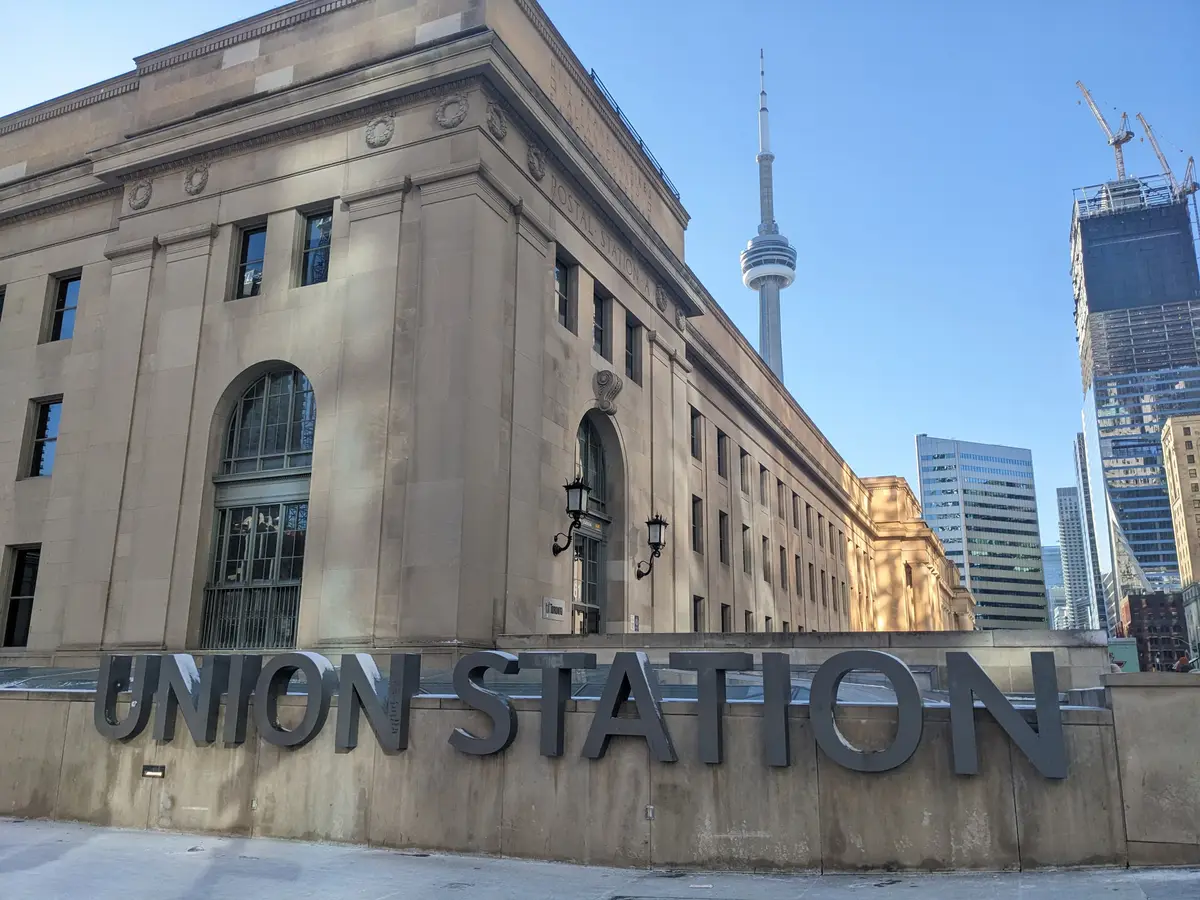
It is a good companion piece to our other archive stories. Read how Toronto got its name, compare notes with Union Station then and now, or head to the Annex neighbourhood page for the surrounding streets. For another take on the city’s grand buildings, see our Toronto architecture walk.
All Toronto then-and-now stories live in The Archive. Send this one to the friend who has always wanted to see inside the castle.
Sources (3)
- History, Casa Loma
- About, Casa Loma
- Pellatt, Sir Henry Mill, Dictionary of Canadian Biography
Spotted something out of date? Let us know.
How did this land?
Share this
“Casa Loma took three years to build and has been a hotel, a tourist attraction and a heritage landmark. Here is the full story.”