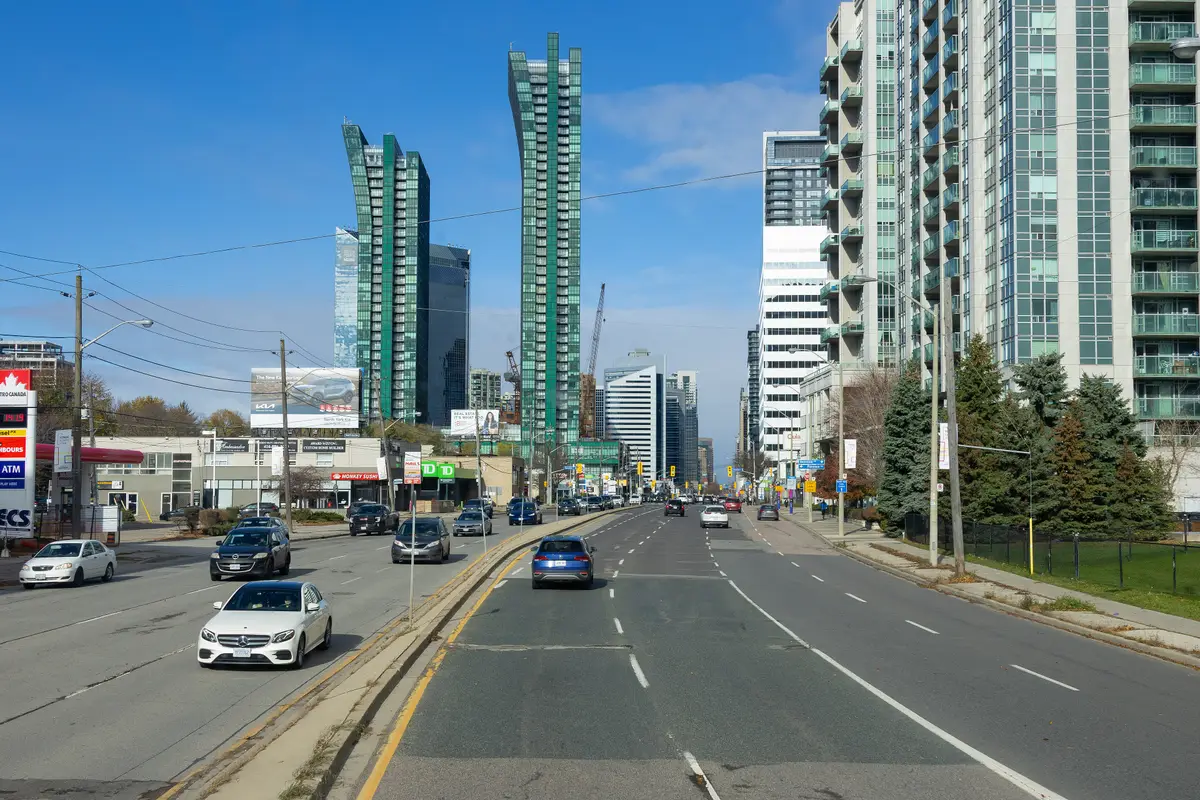
Simcoe named the road after Sir George Yonge, secretary of war in the British Cabinet and a family friend. It is pronounced “young,” and it divides the city into east and west. Numbering on both sides begins at Yonge and increases in either direction, which is why 100 Queen St. W. and 100 Queen St. E. are different locations. The full story is in our piece on how Yonge Street got its name.
Archive DeskList
How Toronto's Streets Got Their Names: A Hub of Stories
From Yonge and Bloor to Bathurst and Davenport, nine Toronto street names with sourced origins, one honest disagreement, and where to dig deeper.
Every Toronto street sign is a tiny history lesson, and most of us walk past them on the way to dinner. Here are nine, each with a source, and one where the sources politely disagree.
Which street names have the best stories?
Our picks, in no particular order, are below. We stick to what the City, libraries and archives say, and where there is a disagreement, we say so.
The City says Ishpadinaa, from which the name Spadina is derived, means “high hill” or “ridge.” Pronunciation is its own conversation, which we settle in how Spadina got its name.
Street signs at intersections such as Spadina/Davenport and Spadina/Dupont honour the placenames in Anishinaabemowin (Ojibwe). The City says Gete-Onigaming, for Davenport Road, means “the old portage.” A City heritage study explains that the route of that ancient trail was incorporated into, and replaced by, the layout of Davenport Road.
In 1834, when the town was incorporated as the City of Toronto, a portion of Garrison Common was surveyed and divided into lots for sale. The street names assigned then keep the area tied to its military history and the nearby fort. Bathurst honours Henry, 3rd Earl of Bathurst and Secretary for War and the Colonies from 1812 to 1827. The Canadian Encyclopedia confirms he became Secretary of State for War and the Colonies in June 1812 and served until 1827.
Same survey, same theme. Wellington is named for Arthur Wellesley, the Duke of Wellington who defeated Napoleon.
The third name in that military trio honours the Shawnee chief who was an ally of Brock. The City report gives the street name as Tecumseth, with Tecumseh as the alternate spelling.
Jarvis Street is named for Sheriff William Jarvis, who, together with Joseph Bloor, founded the village of Yorkville. That makes the next entry a natural neighbour: the two names share a founding story.
Joseph Bloor was an innkeeper and brewer in the early half of the 19th century, and he is the namesake of Bloor Street. The road began as a dirt path that surveyors called the Second Concession Line, then went by Tollgate Road and St. Paul’s Road. After Bloor built a large house just east of Yonge Street, the road took his name. Even his surname has options: both Bloor and Bloore have been used.
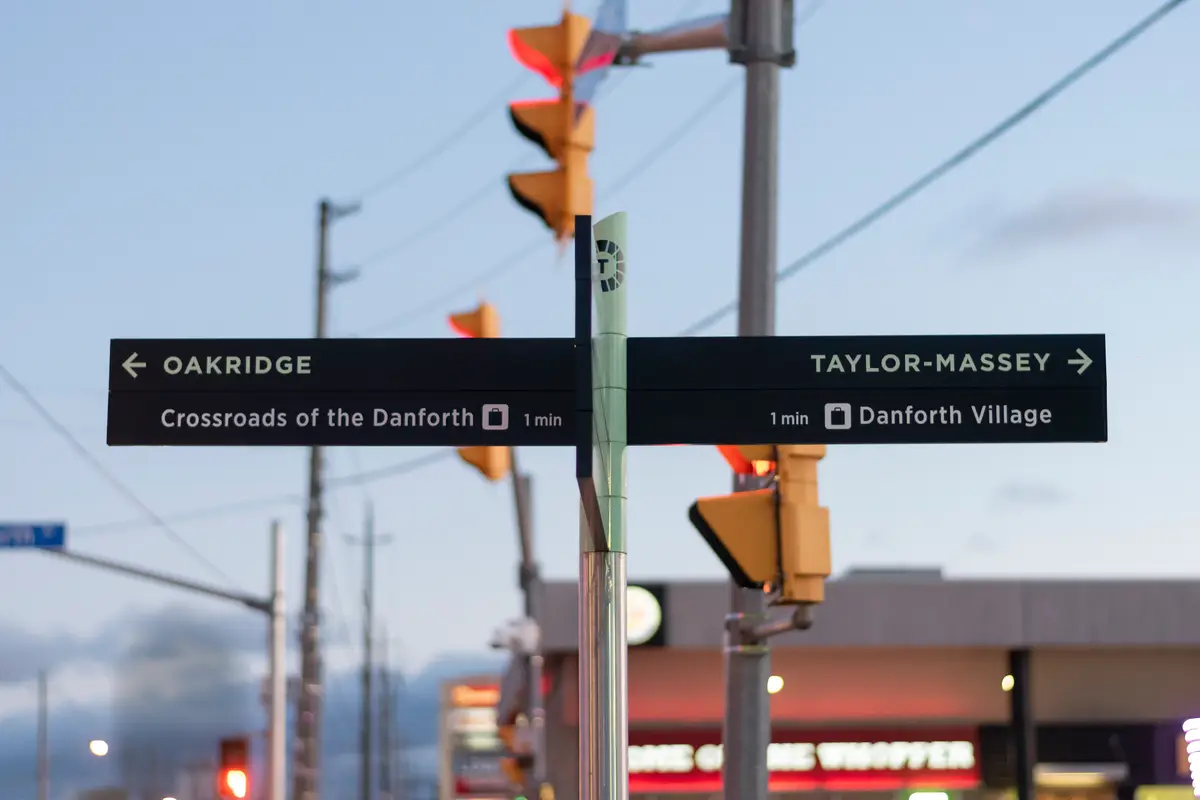
This is the one where sources differ. A City planning historic context statement says that by 1799 the Executive Council of Upper Canada had commissioned Asa Danforth, an American contractor, to open a street between York and the Trent River to the east. A separate City walking-tour map says Danforth Avenue was named after him. The planning statement notes that the avenue shares his name, then adds that he never actually had anything to do with the road’s construction. Its footnote says the Broadview Danforth BIA claims the avenue was named after Asa Danforth, while a 2020 timeline by Barbara Myrvold states that he had nothing to do with the construction. We will let you pick a side over a coffee on the Danforth, and our history of East York is a good companion read.
What patterns show up in the names?
Read the nine together and three themes appear. Some streets honour people who lived here, such as Bloor and Jarvis, who founded Yorkville together. Some honour imperial and military figures: Bathurst, Wellington and Tecumseth were assigned when the Garrison Common was divided into lots. And some carry older Anishinaabemowin names, such as Ishpadinaa and Gete-Onigaming, that came first.
That mix is what makes a street walk fun. You can cross from a brewer’s road to a duke’s street to an old portage in a single afternoon, and each corner says something different about who was here and when.
How does the City name streets today?
Through a process with a clear point of view. Once a commemorative proposal meets the City’s criteria, staff prepare a report to the relevant Community Council to get Council approval. The City’s principles include prioritizing commemorations significant to Indigenous Peoples, Black communities, and equity-deserving groups. They also call for proposals to be informed by historical research, traditional knowledge, and community insights.
Older names live alongside the new ones. The Mississaugas of the Credit First Nation’s site gives Wonscotonach, “back burnt grounds,” as the Anishinaabe name for the Don River, and Adoopekog, “place of the alders,” for Etobicoke Creek. It is a good reminder that Toronto’s naming story has more than one chapter. Start with how Toronto got its name.
Where can you dig deeper into street names?
Start with the library. Toronto Public Library’s historical walking tour of Kensington Market and College Street gives the origins of 24 local street names. Its Danforth tour gives the origin of 25 local street names. Parkdale in Pictures gives the origins of 45 Parkdale street names, and The Beach in Pictures includes the origin of 28 street names.
For a single book on the subject, Toronto Public Library’s local history blog highlights Toronto Street Names: An Illustrated Guide to Their Origins (2011) by Leonard Wise and Allan Gould, with bite-sized histories of over 300 street names that commemorate people or events. Our series hub, the history of Toronto, points to the rest.
Send this to the friend who knows every shortcut and not one street namesake.
Sources (13)
- Yonge Street - Governor Simcoe's Military Road, The Canadian Encyclopedia
- Getting Around, City of Toronto
- Indigenous Peoples Month, City of Toronto
- West Annex Phase II Heritage Conservation District Study, City of Toronto
- Heritage Property Research and Evaluation Report: 89-109 Niagara Street (Attachment 4), City of Toronto
- Henry Bathurst, The Canadian Encyclopedia
- Joseph Bloor, The Canadian Encyclopedia
- Danforth Avenue Complete Street and Planning Study: Historic Context Statement, City of Toronto
- On the Danforth route map, City of Toronto
- Street Naming, City of Toronto
- Local History Publications, Toronto Public Library
- 12 Wonderfully Niche Books about Toronto History, Toronto Public Library
- Mississaugas were a people of the waters, Mississaugas of the Credit First Nation
Spotted something out of date? Let us know.
How did this land?
Send this to the friend you would bring.
Share this
“Which Toronto street are you? Nine street-name origin stories, from Yonge to Danforth.”