Culture DeskGuide
Black History Sites in Toronto: A Place-Based Guide
A guide to Toronto's Black history places and collections, from the Blackburn plaque and Little Jamaica to park names, library shelves and the City Archives.
Toronto’s Black history is not locked away in one building. It lives on a plaque on Sackville Street, in a mural on Reggae Lane, in the names of parks and arenas, on library shelves and in the City Archives. This guide follows the places and collections that Parks Canada, the City of Toronto, Toronto Public Library and the Ontario Black History Society themselves point to, so you can build a walk, a reading list or a rainy afternoon around them. It is a starting point rather than a full map, and every place has an official page worth reading first.
Who were Thornton and Lucie Blackburn, and where is their plaque?
Parks Canada designated Thornton and Lucie Blackburn national historic persons in 1999 and describes them as escapees from enslavement who established the first cab company in Toronto. By 1834 the couple had settled in Toronto, where Parks Canada says they were respected citizens who established the city’s first cab company, worked for Abolition and contributed to the well-being of their community. Parks Canada lists their commemorative plaque at 19 Sackville Street. It is a good first stop for a walk, because it puts a name and an address to a story that is part of the city’s history.
What else does Parks Canada connect to Black history in Toronto?
Parks Canada’s Black history in Canada page includes a Toronto and Niagara trail. It lists the Blackburns as stop 11 and George Brown House as stop 13. Parks Canada designated George Brown House a national historic site because it was the home of George Brown and is closely associated with the abolitionist movement and Underground Railroad history in Toronto.
Parks Canada also designated Albert Calvin Jackson a national historic person in 2024, recognizing one of the first letter carriers of African descent hired by Canada’s federal postal service. Its page notes that when his mother and her children arrived in Toronto in November 1858, they are believed to have been hosted by Lucie and Thornton Blackburn. It is a lovely thread to follow: one family’s arrival, another family’s welcome.
Where can you explore Little Jamaica?
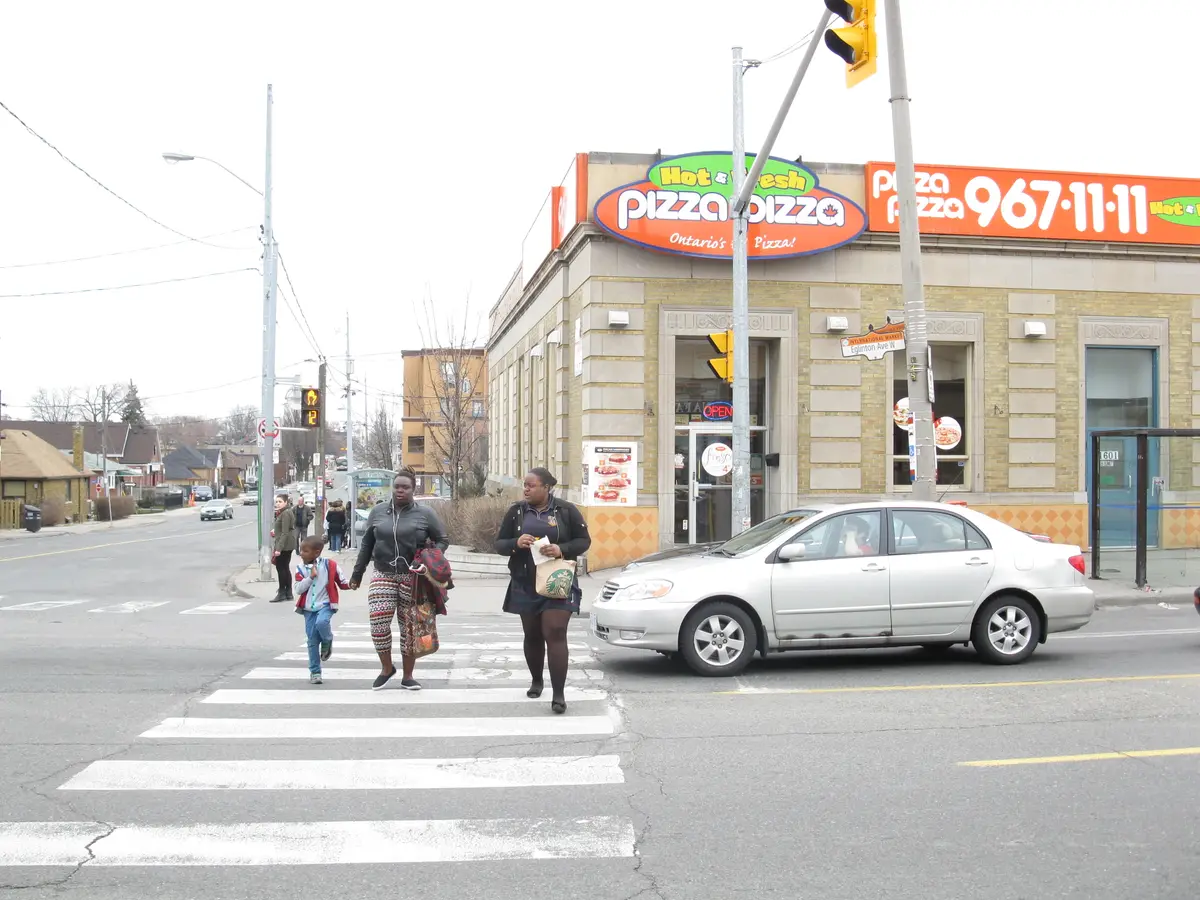
The City’s Black History Month page offers a self-guided tour of Eglinton West from Bathurst Street to Dufferin Street, home to Little Jamaica, which the City says has developed quickly over the past century and continues to transform. A second tour, Arts in Oakwood, takes in Oakwood Village, a neighbourhood just south of Little Jamaica and known for its Caribbean, Portuguese and Italian communities. Along the way, the City lists the Reggae Lane mural by Adrian Hayles, depicting local and legendary reggae artists.
City Council has also asked that five neighbourhoods, including a Little Jamaica Cultural District, be recognized as the City’s inaugural Cultural Districts. The City describes Cultural Districts as culturally distinct mixed-use areas with a significant concentration of cultural spaces and institutions, culturally significant businesses and community spaces. That is a hopeful sign for a neighbourhood that rewards a slow walk.
Which parks and public art honour Black figures?
The City’s Black History Month page lists public art, recreation facilities and parks honouring Black figures. The list includes Angela James Arena, Dr. Daniel Hill Park, Herbert H. Carnegie Centennial Centre, Hubbard Park, Jean Augustine Park, Joshua Glover Park, Len Braithwaite Park, Randy Padmore Park, Rita Cox Park, Stanley G. Grizzle Park and Viola Desmond Park. At Joshua Glover Park, the City lists a sculpture called Step Forward into History by Quentin Vercetty. Pick one that sits near your own neighbourhood and read its name on the sign; every one is an invitation to look up the person behind it.
Where can you read and research?
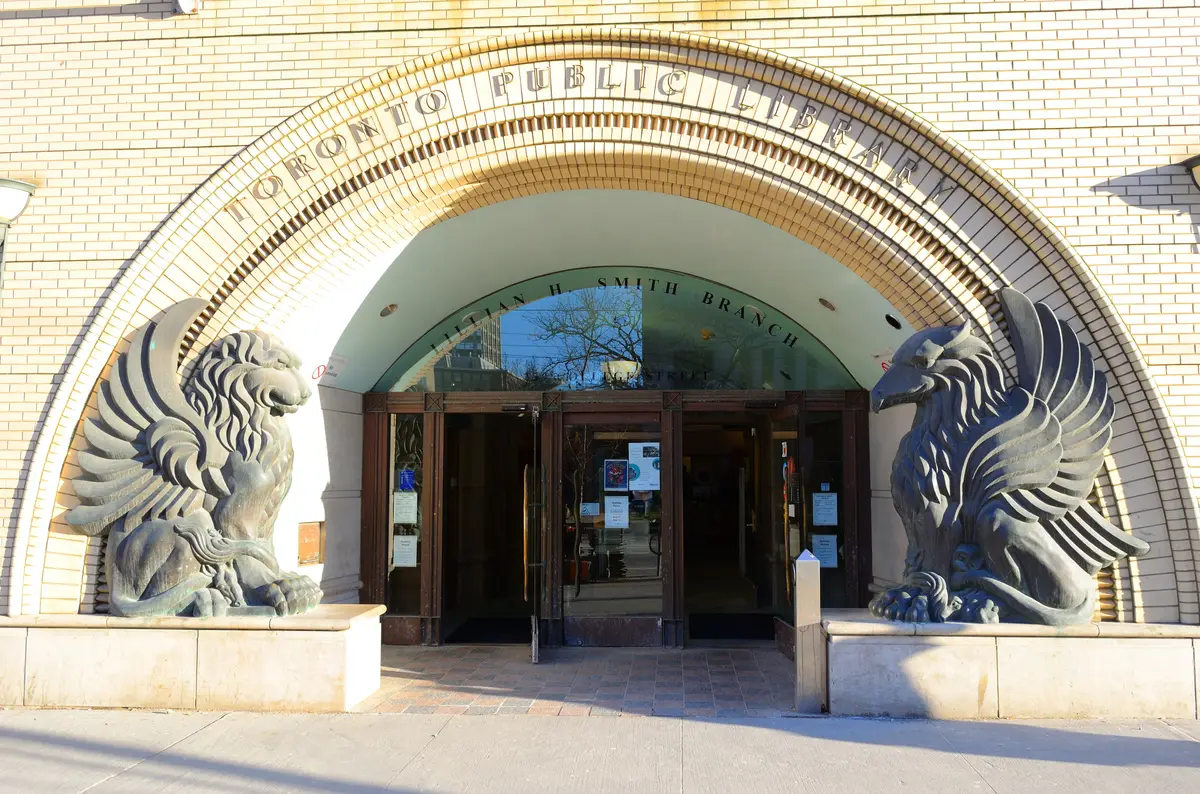
Toronto Public Library’s Rita Cox Black and Caribbean Heritage Collection features over 19,000 books, DVDs, CDs, newspapers and magazines, with materials focused on the Black and Caribbean historical and cultural experience and a special emphasis on Canadian content. It is available at the Malvern, Maria A. Shchuka, Parkdale and York Woods branches. The library says Dr. Rita Cox pioneered the Black Heritage and West Indian Resource Collection in 1973. The library also celebrates Black history year round with programs, reading lists, podcast episodes and videos, and offers programs and activities at branches across the city during Black History Month in February.
The City of Toronto Archives has a Black History in Toronto page. It says Toronto has had an African Canadian population from its early days as a settlement and that members of each group have contributed to the growth of Toronto as a unique city. It shares samples of documentary evidence, including a petition written and signed by members of the city’s Black community in 1841. The City’s Black History Month page also links an online exhibit, Caribbean Connection: One Man’s Crusade, about Donald Moore, a community leader and civil rights activist. For more on the city’s wider story, see our history of Toronto guide and our guide to the City’s history museums.
What is the Ontario Black History Society?
The society says it was founded in 1978 and is the only Ontario Provincial Heritage Organization of the Ministry of Culture devoted to Black history and heritage. It says the first formal declaration of February as Black History Month was with the City of Toronto in 1979, and with the Province of Ontario in 1993. The City says Toronto became the first municipality in Canada to proclaim Black History Month, in 1979, through the efforts of many individuals and organizations such as the society. The museums in Toronto guide has more places to continue the journey.
How do you visit these places well?
Go slowly, read the plaque, and let the names lead you to more reading. Start with a single place, such as the Sackville Street plaque or a park near home, then follow one thread through the library or the Archives. Check each official page for current details before you go, and bring someone who would enjoy the story with you.
Send this to the friend you would bring on a Black history walk.
Sources (9)
- Thornton and Lucie Blackburn National Historic Persons, Parks Canada
- Black history in Canada, Parks Canada
- Albert Calvin Jackson National Historic Person, Parks Canada
- Black History Month, City of Toronto
- About, Ontario Black History Society
- Black History in Toronto, City of Toronto Archives
- Cultural Districts Program, City of Toronto
- Rita Cox Black and Caribbean Heritage Collection, Toronto Public Library
- Black History, Toronto Public Library
Spotted something out of date? Let us know.
How did this land?
Share this
“A place-based guide to Black history in Toronto: a plaque, murals, parks, library collections and the City Archives, with official links.”