Culture DeskGuide
Toronto History Museums: Ten City Sites, One Guide
A War of 1812 fort, a 1910-style school day, a lakeside cottage and seven more: the City runs ten history museums, and general admission is free.
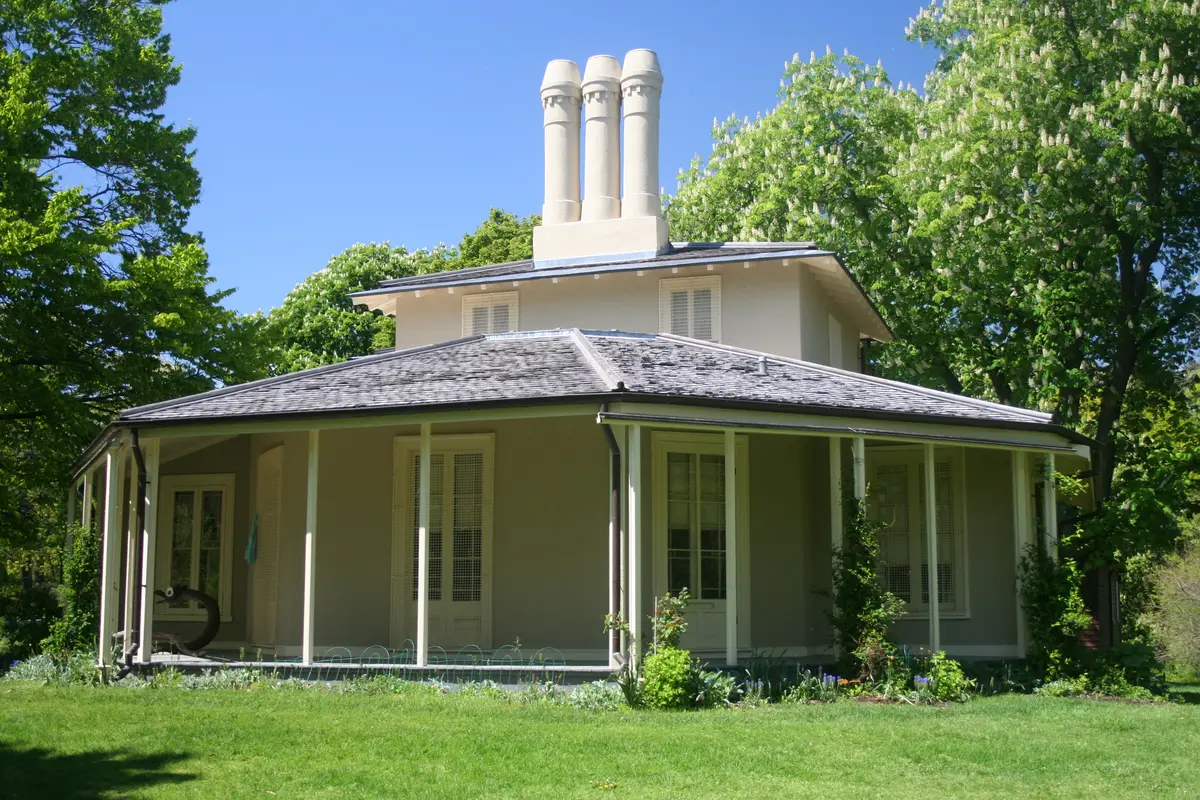
One city, ten front doors into its past, and from a fort to a schoolhouse they are all run by the City itself.
The City of Toronto describes its history museums as ten City-run sites with stories, exhibitions and events about the histories of Toronto’s diverse communities. General admission is free. That makes this an easy cultural plan: pick the one closest to you, or work through the whole set, Scarborough to Etobicoke and back. This guide sits inside our wider museums in Toronto coverage.
Which Toronto history museums are in the core?
Fort York National Historic Site. This is where British soldiers, First Nations warriors and Upper Canadian militiamen stood together in the War of 1812 to defend the Town of York against American attack. The City notes that the fort is mainly an outdoor site with walking required between locations, so dress for the weather.
Mackenzie House. A restored 1858 townhouse, it was the final home of William Lyon Mackenzie, Toronto’s first mayor and leader of the 1837 Rebellion. Inside are nineteenth-century furniture, an 1845 printing press and artifacts from its former print shop. The City says the historic part of the house is under restoration, and drop-in workshops are offered in the printshop in the meantime.
Market Gallery. Find it on the second floor of St. Lawrence Market at 95 Front Street East. The space was once Toronto’s first purpose-built City Council Chambers, and it now houses rotating exhibits about the history of the city. The City’s fine art collection includes more than 2,000 moveable works of art. A current exhibition, on display until November 29, pairs local sports origin stories with artistic reflections on identity, resilience and belonging.
Spadina Museum. It sits atop a ravine overlooking Toronto and tells the story of the city from 1900 to the 1930s through the Austin family and the people who worked in their home. The historic house is visited by guided tour only. Look for the Baldwin Steps: the museum is at the top, next door to Casa Loma.
Which ones sit in parkland and the west end?
Colborne Lodge. The 1836 Regency-era cottage in High Park is described by the City as the place where the vision for the park was born. It was built by John and Jemima Howard, two painters, and still holds original collections of their art, architectural drawings and inventions. Tour the house with a guide, and walk into the 1855 Coach House on your own. The museum also partners with First Story Toronto, where Indigenous guides lead a truth-telling journey through their own lens.
Montgomery’s Inn. Built in the 1830s to shelter travellers, it brought people together over food, drink, games and more. It stands on the southeast corner of Dundas Street West and Islington Avenue. The City lists weekly farmers’ markets, hearth cooking demonstrations and community art exhibits among its offerings.
What can you find in North York?
Gibson House Museum. A 19th-century farmhouse tucked between the high rises of North York, with an 1850s kitchen to step back into. It is north of the North York Centre subway station.
Zion Schoolhouse. Here you can experience a day at school circa 1910. The City lists it as open for private bookings and special events, so check the City’s page before you plan a trip. It stands on Finch Avenue just east of Leslie Street.
And across Scarborough and East York?
Scarborough Museum. Four heritage buildings make up this museum in Thomson Memorial Park. The Cornell House shows rural village life circa 1914. The McCowan Log House was built in the 1830s and is furnished to portray settler life in the 1850s.
Todmorden Mills. The heritage site opened to the public in 1967 as part of East York’s contribution to the celebration of Canada’s centennial. The Helliwell family settled here in 1821 and established a brewery and distillery. The City says the old paper mill, now the Papermill Theatre and Gallery, was the first of its kind in Upper Canada to produce machine-made paper. The grounds also include a 9.2 hectare Wildflower Preserve, a good reason to wear walking shoes. Read more about the neighbourhood on our East York hub.
Which one should you start with?
Our take, by mood. Want a grand house with a ravine view? Start at Spadina Museum. Want a cottage and a park walk in one trip? Colborne Lodge sits inside High Park. Curious about the city’s first mayor? Mackenzie House is the one. Want trails as well as history? Todmorden Mills pairs a heritage site with a wildflower preserve. Pair a museum with a walk and you have a proper day out, the kind you can stretch or shorten to suit the weather and your company. Whether you have an hour or a whole afternoon, there is a City-run door that fits.
How to plan a visit
Each museum has its own page on the City’s site with current visiting details, tour information and events, so check the one you are heading to before you set out. Comfortable shoes are a smart call wherever you might wander the grounds. If you want something smaller and quirkier next, try our guide to small museums in Toronto, or see the art galleries in Toronto worth a detour.
Send this to the friend who keeps saying they should learn more about the city they live in.
Sources (11)
- Toronto History Museums, City of Toronto
- Fort York National Historic Site, City of Toronto
- Mackenzie House, City of Toronto
- Market Gallery, City of Toronto
- Spadina Museum, City of Toronto
- Colborne Lodge, City of Toronto
- Montgomery's Inn, City of Toronto
- Gibson House Museum, City of Toronto
- Zion Schoolhouse, City of Toronto
- Scarborough Museum, City of Toronto
- Todmorden Mills, City of Toronto
Spotted something out of date? Let us know.
How did this land?
Share this
“Saving this for a free afternoon: ten City of Toronto history museums, from Fort York to a day at school circa 1910.”