City DeskGuide
501 Queen Streetcar Guide: A Window-Seat Route Through Toronto
From Neville Park Loop in the east to Humber Loop by day, the 501 Queen crosses beaches, old nursery land, City Hall and a big green park.
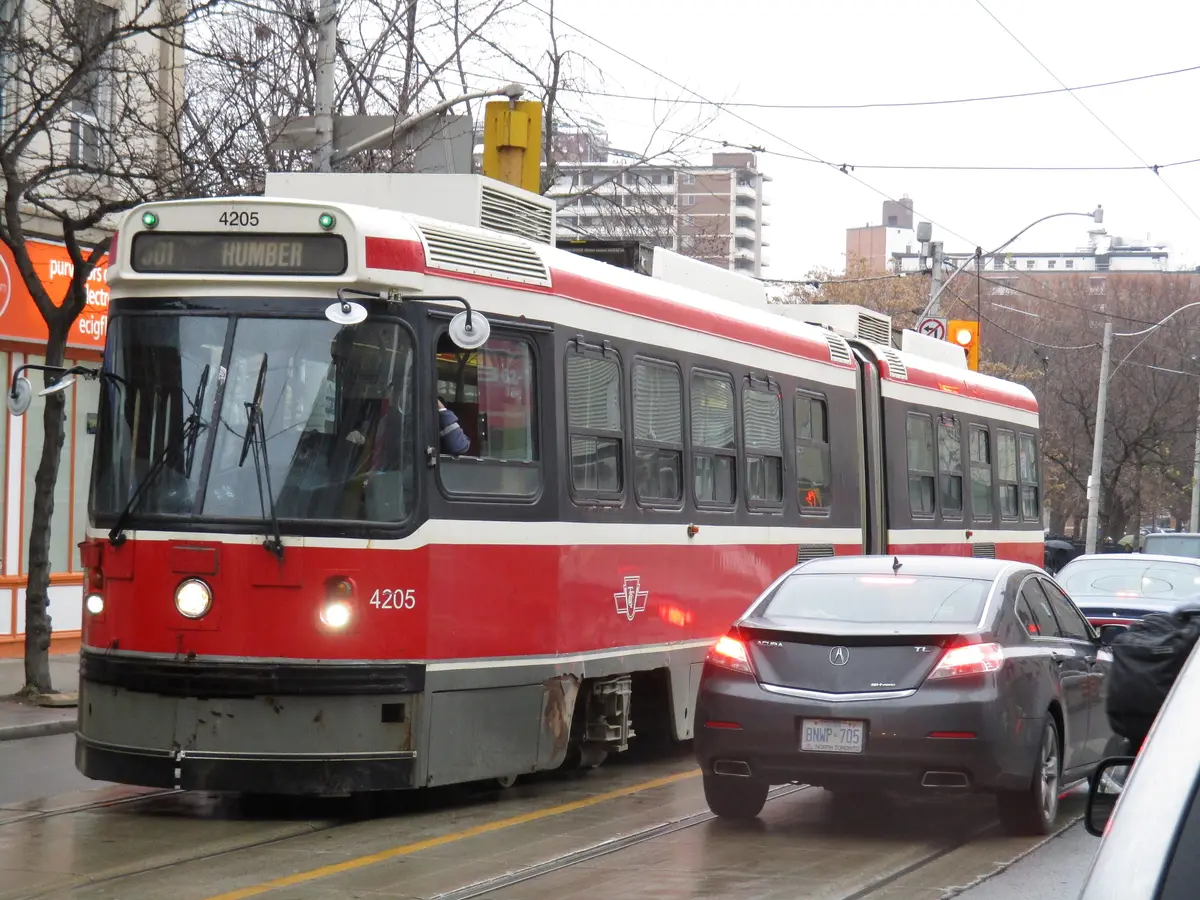
Some of the best sightseeing in Toronto costs one transit fare and comes with a window. The 501 Queen is less a route than a long, slow moving panorama.
What is the 501 Queen?
The TTC describes the 501 Queen as a streetcar route operating between Neville Park Loop and Long Branch Loop, generally in an east-west direction. In the daytime and early evening the service runs between Humber Loop and Neville Park Loop, and the Long Branch service is the late-evening one. Named loops at both ends, which we appreciate. On the way it serves Queen and Osgoode stations on Line 1 Yonge-University, so you can join or leave the ride at the subway.
This is a guide to what you can see and do along the way, not a timetable. Check the TTC before you go for current stops and service, then pick a few places to hop off.
Why has Queen Street had streetcars for so long?
Longer than you might guess. In 1861 the City granted the Toronto Street Railway a 30-year franchise, and the proposed routes were on Yonge, Queen and King streets. Those first cars were pulled by horses, in a city of 42,000 people where the railway carried an average of 2,000 passengers a day. Winter rides had their own charm: the horse-cars had no stove, so the floor was covered with straw to keep passengers’ feet a little warmer. The City of Toronto Archives even has a photo of two horse-cars during a layover in Sunnyside, near the intersection of King and Queen streets.
Electric cars took over after the Toronto Railway Company won the franchise in 1891, and horse-car service was phased out on August 1, 1894. The new company also introduced free transfers between its own lines, a convenience we still love. The Toronto Transportation Commission, the TTC’s original name, began serving the city on September 1, 1921. More recently, the first of 204 low-floor, accessible, air-conditioned streetcars entered service in 2014 on the 510 Spadina line.
Where should you hop off in the east?
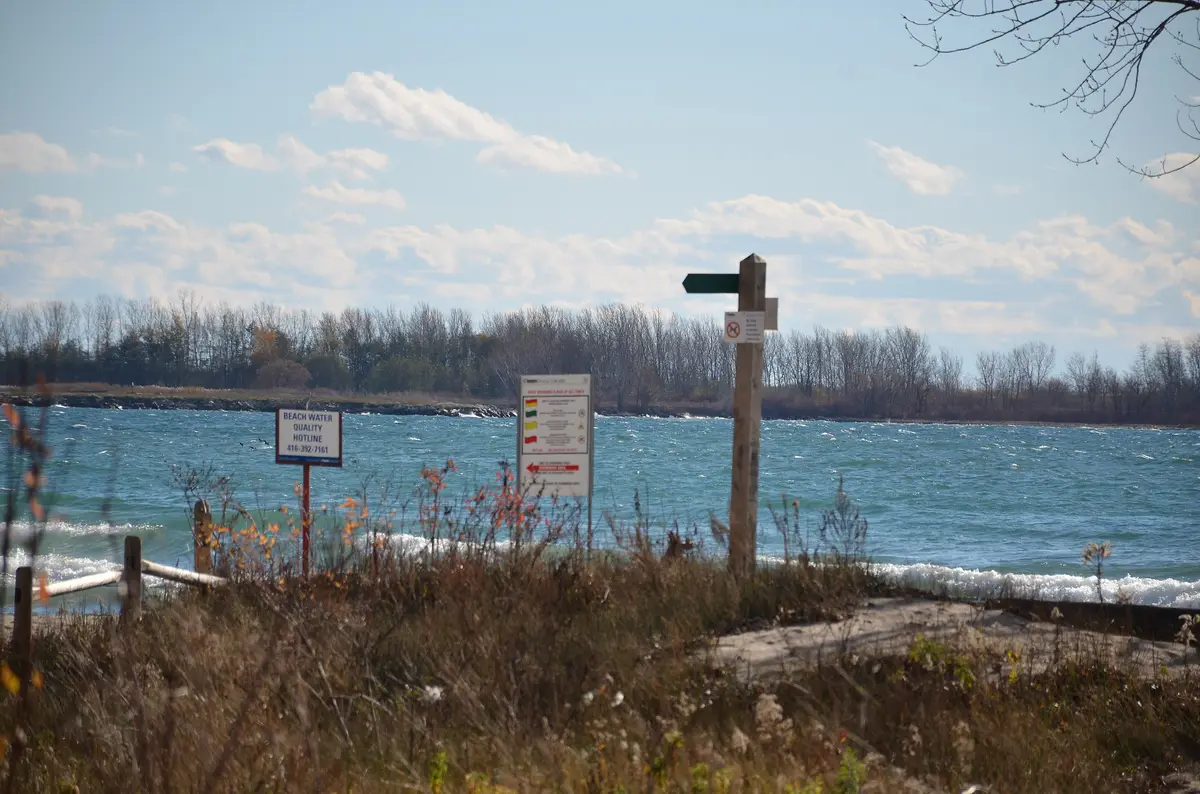
Start at the lake end if you are a beach person. The City’s beaches page points to the vibrant atmosphere of Woodbine Beach. A lakeside stroll before you board is a very good way to begin.
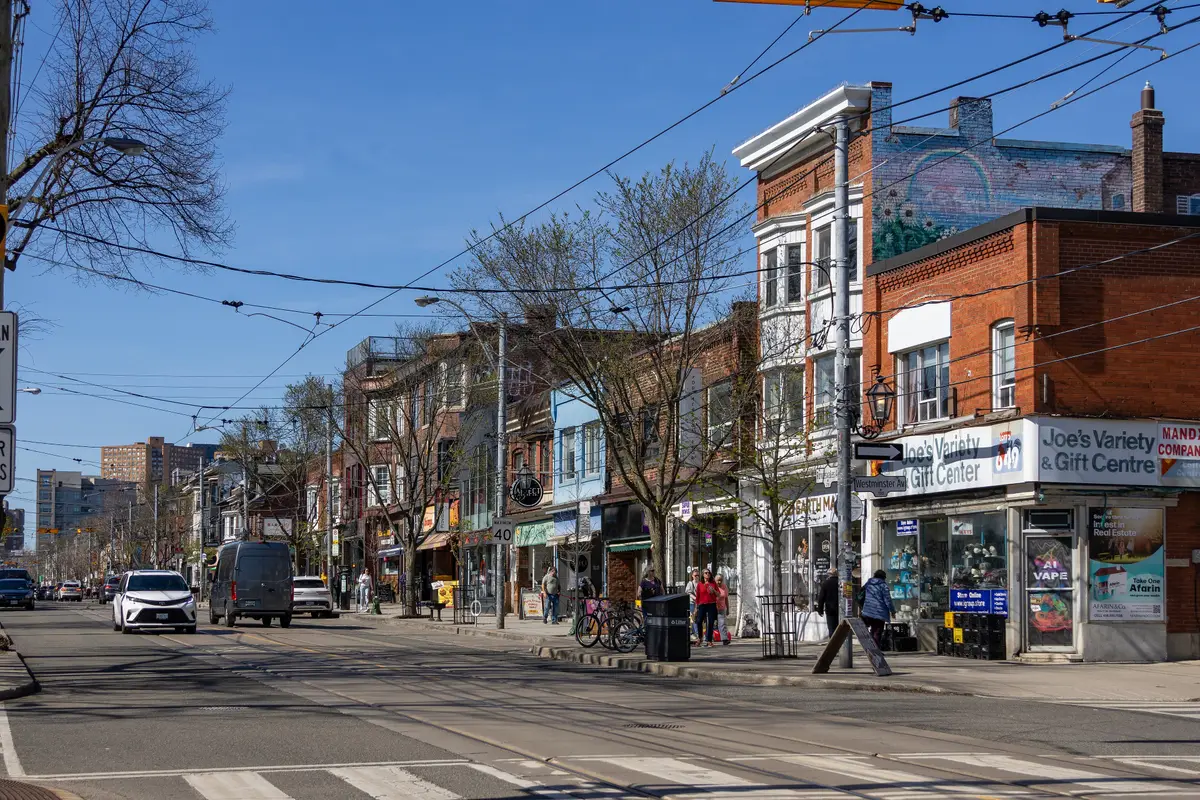
Heading west, you reach Leslieville. Its name comes from gardener and businessman George Leslie, who established the Toronto Nurseries in the area in 1845. Heritage Toronto notes that in the 19th century the rich soil here was used for growing vegetables and flowers. It is a lovely thing to know while you watch the shopfronts slide by: this part of the city once grew vegetables and flowers.
What should you see downtown on the 501?
Downtown is where the 501 meets the subway, and our pick for a stop is Nathan Phillips Square at City Hall. The City’s archives date the announcement of City Hall’s winning design to Friday, September 26, 1958.
The Square rewards a slow lap:
- The TORONTO Sign. It stretches across the Square, stands three metres tall and is one of Toronto’s most photographed landmarks.
- The Freedom Arches. They were officially named in 1989, and they are part of the Square’s heritage designation.
- The Archer. Most Torontonians call Henry Moore’s bronze sculpture by that name, but its official name is Three-Way Piece No. 2.
- The rink. The reflecting pool is probably best known as a skating rink in the winter. It makes a good winter stop between streetcar legs.
If the weather turns, our PATH guide shows how to stay warm underground from here.
Which stop is best for a picnic?
West of downtown, the answer is Trinity Bellwoods. The City describes the park as a popular destination for relaxing, exercising and socializing, as well as a central route for walkers and cyclists. Our pick: grab something to eat on Queen, then take the long way across the park. For more on the neighbourhood, see our Trinity Bellwoods hub.
What is the story out west?
Keep riding and you reach Roncesvalles, a streetcar neighbourhood in every sense. The City exhibit pictures Toronto Railway Company trainmen posing at the Roncesvalles Carhouse. It is a nice reminder that the cars you ride have always had homes in the neighbourhoods they serve. Our Roncesvalles hub is a good starting point for what to do when you hop off.
What does a three-stop day look like?
Here is a plan that keeps the pace relaxed, built from the stops above:
- Morning by the water. Start in the east, near Woodbine Beach, and take your time before boarding.
- Midday downtown. Ride in to Nathan Phillips Square for a lap past the TORONTO Sign and the Archer, and a skate in winter.
- Afternoon in the park. Carry on west to Trinity Bellwoods, where the lawns are made for lingering.
You will have crossed a good part of the city without a single parking decision. Along the way, notice how often the streetcar slows to let a neighbourhood come aboard. That, more than any one landmark, is the 501’s charm.
How do you ride the 501 like a visitor?
- Sit on the sunny side. Our favourite window is on the side that gets the light, so you can watch the shopfronts change.
- Pick three stops, not twelve. A beach, a park and a square make a day.
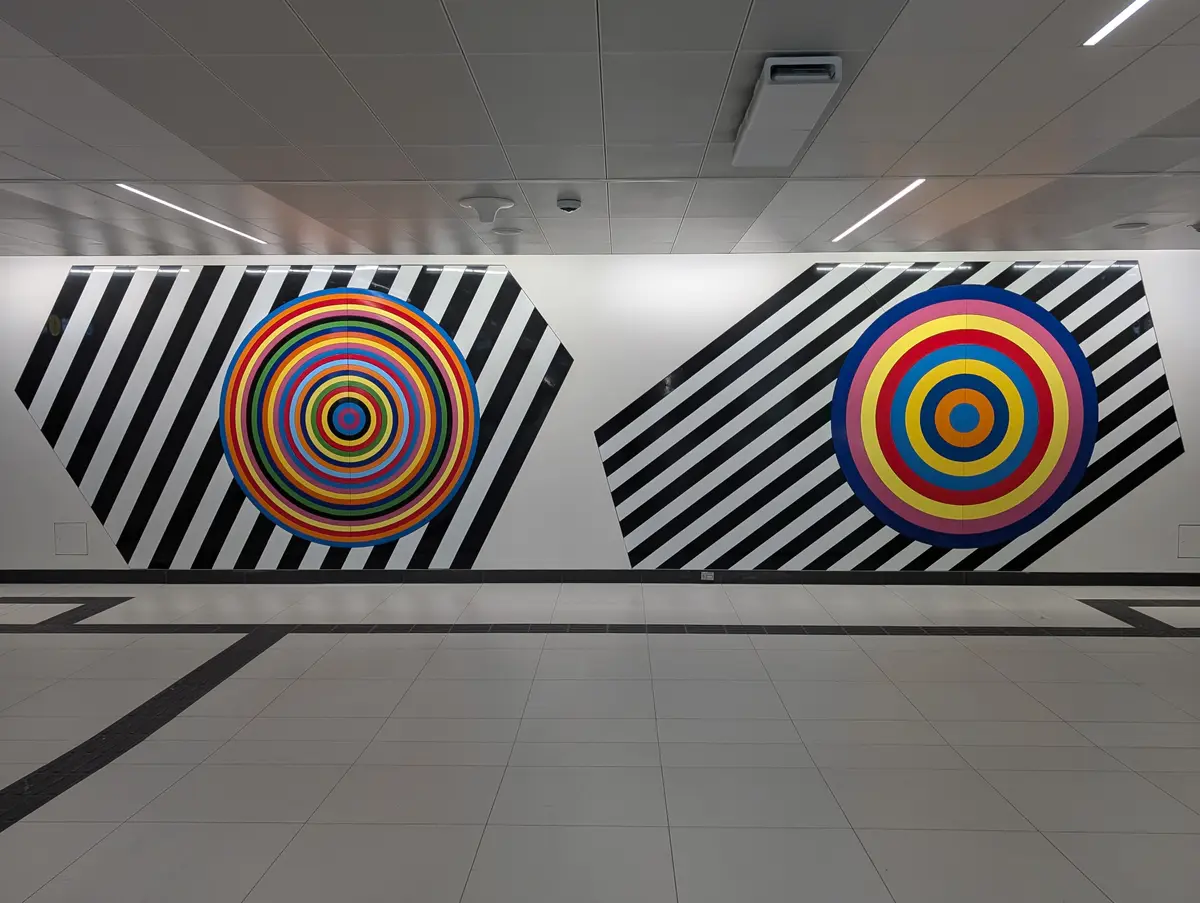
- Pair it with a station tour. Several TTC stations have real public art; see our station art list.
- Bring the big picture. Our explore Toronto by transit guide maps more rides like this one.
Send this to the friend who says they never see the city from a window seat.
Sources (8)
- TTC Description of 501 Queen, TTC
- Setting the Scene (The TTC: 100 Years of Moving Toronto), City of Toronto Archives
- TTC Chronology, TTC The Coupler
- Queen and Carlaw: Made in Toronto, Heritage Toronto
- Features of Nathan Phillips Square, City of Toronto
- A Step Forward in Time: Viljo Revell's Winning Design, City of Toronto Archives
- Trinity Bellwoods Park Access & Circulation Study, City of Toronto
- Beaches, City of Toronto
Spotted something out of date? Let us know.
How did this land?
Share this
“Saving this for a slow Saturday: the 501 Queen streetcar as a window-seat tour, from the lake to City Hall to Trinity Bellwoods.”