Archive DeskFeature
History of North York: From Farmland to a Toronto City Centre
North York started as farms and crossroads villages along Yonge Street and grew into a city with its own downtown. Here is how, from City Archives records.
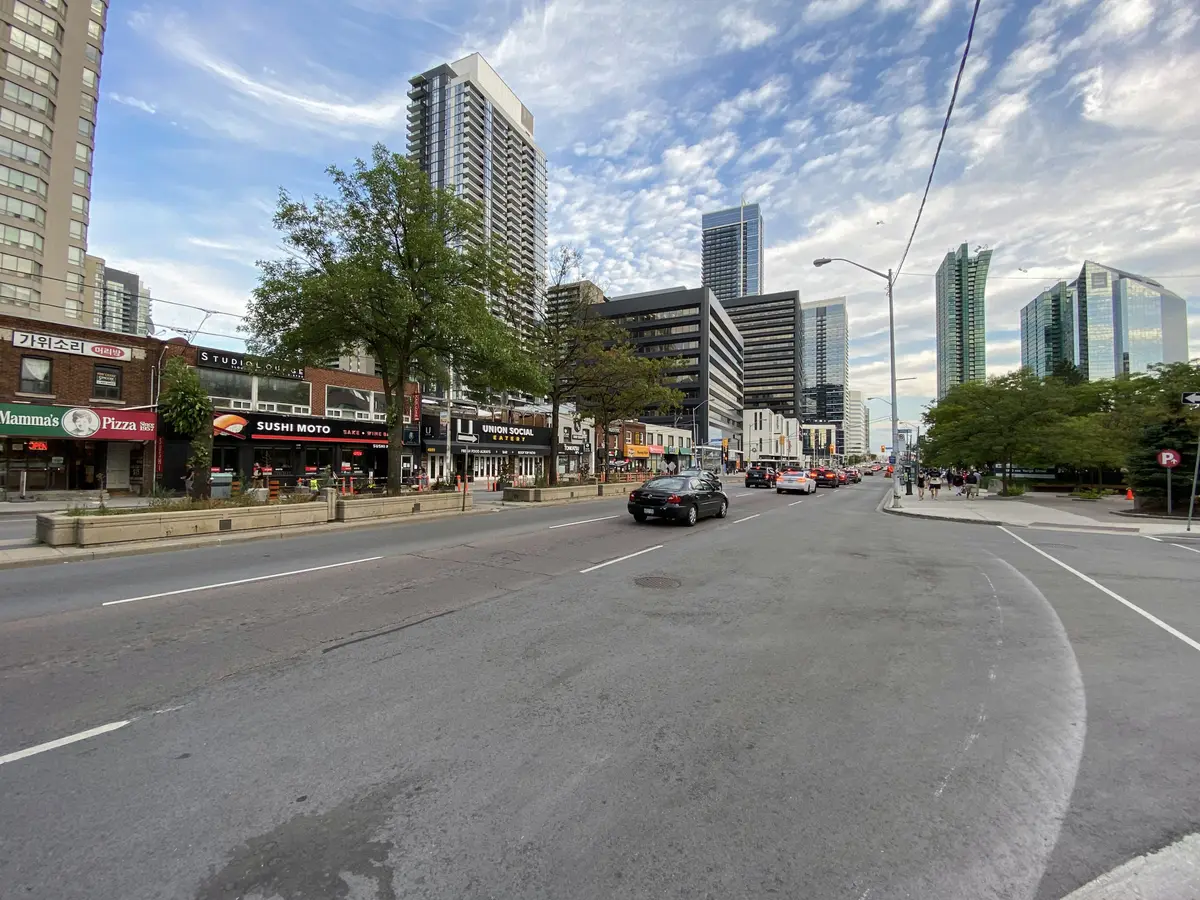
A little over a century ago, North York was a mostly rural territory of milling villages, crossroads and farming settlements, some of them along Yonge Street. By 1979 it was a city with a motto about heart. That is a lot of change for one lifetime, and it is worth walking through.
When did North York become its own municipality?
In 1922, residents of the northern part of York Township demanded their own municipality, and the Township of North York was carved out of it. They had reasons. About 6,000 people lived on farms north of the City of Toronto and, despite paying nearly 23 per cent of the township’s taxes, had no representation on York Township council. A committee formed in 1921 to separate the rural and urban parts of the township, and that was the origin of North York.
The first council was a five-man council made up entirely of farmers, elected on August 12, 1922. The township’s motto was “Progress with Economy,” and its 1923 seal showed a Canadian beaver, a wheat sheaf and scales. Its first municipal office, at 5145 Yonge Street and Empress Avenue, opened on December 19, 1923.
What was here before the suburbs?
Toronto has been home to Indigenous peoples since time immemorial, and the lands where North York Centre sits are covered by Treaty 13 with the Mississaugas of the Credit First Nation and by the Dish With One Spoon Treaty. Yonge Street opened in 1796, and over the next century the area now known as North York Centre became a farming landscape served by villages such as Willowdale and Lansing, at crossroads along Yonge.
Even in 1922 the new township had only a few communities, such as Emery, Downsview, Newtonbrook and Kingsdale, that began as milling villages, crossroads or farming settlements. By the end of the Second World War, North York was still just a few small settlements amid acres of farmland. If the street itself fascinates you, our piece on how Yonge Street got its name is the companion read.
How did farmland turn into suburbs so fast?
Quickly, and with a lot of ambition. North York’s population grew from 20,382 in 1940 to 62,646 in 1950, as veterans and immigrants looked for inexpensive land and housing. On April 15, 1953, North York became one of the 13 municipalities in the new Municipality of Metropolitan Toronto. Highway 400 opened in December 1951, and Highway 401 was completed from Weston Road to Bayview Avenue in stages between 1952 and 1956.
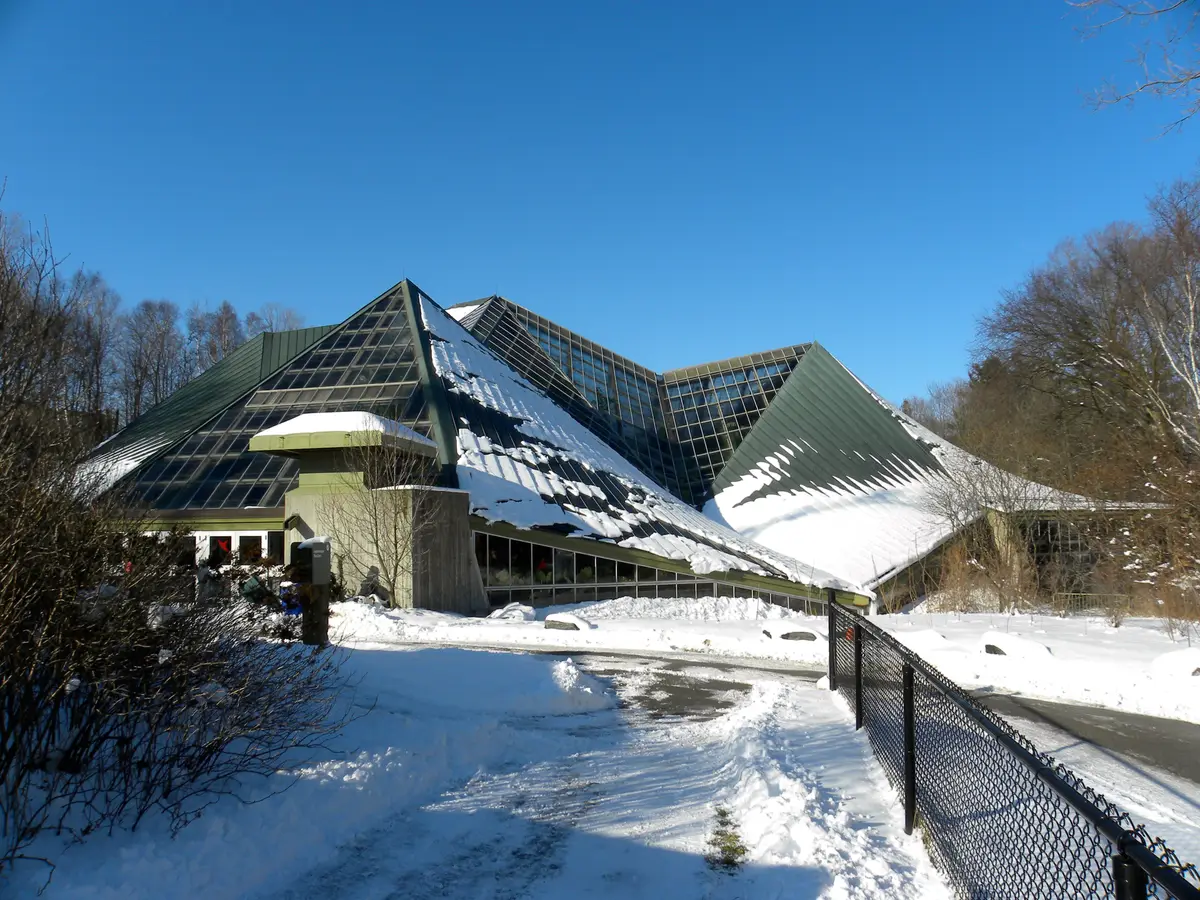
New places followed the roads. Don Mills, one of Canada’s first planned communities, was organized into four quadrants around a shopping complex called the Don Mills Centre, on land that had only around 20 farms as late as 1950. Yorkdale Shopping Centre opened on February 26, 1964, on a 119-acre site at Dufferin Street and Highway 401. Black Creek Pioneer Village opened to the public in 1960 on the former Stong family farm at Steeles Avenue West and Jane Street. The Ontario Science Centre, designed by architect Raymond Moriyama for a wooded ravine at Don Mills Road and Eglinton Avenue East, opened to the public in 1969.
Some of the changes are tidy little reversals. The Bata head office on Wynford Drive, completed in 1965, was replaced by the Aga Khan Museum and Ismaili Centre. The museum is a story of its own, and our Aga Khan Museum visit plan picks it up.
How did North York get a downtown?
By planning one. On January 1, 1967, the Township of North York became the Borough of North York. The Sheppard and Finch subway stations opened in March 1974. On February 14, 1979, North York became a city, and council adopted the motto “The City with Heart,” a happy match with Valentine’s Day.
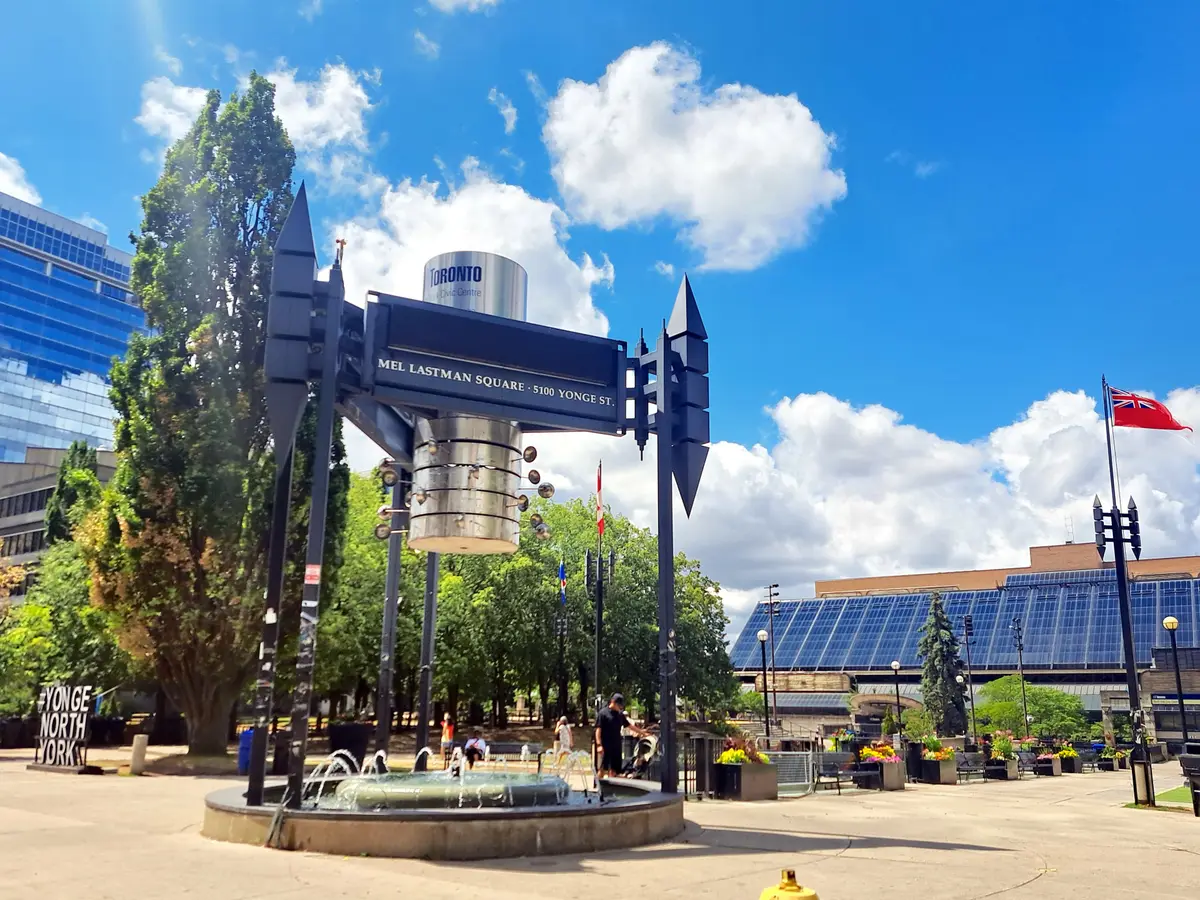
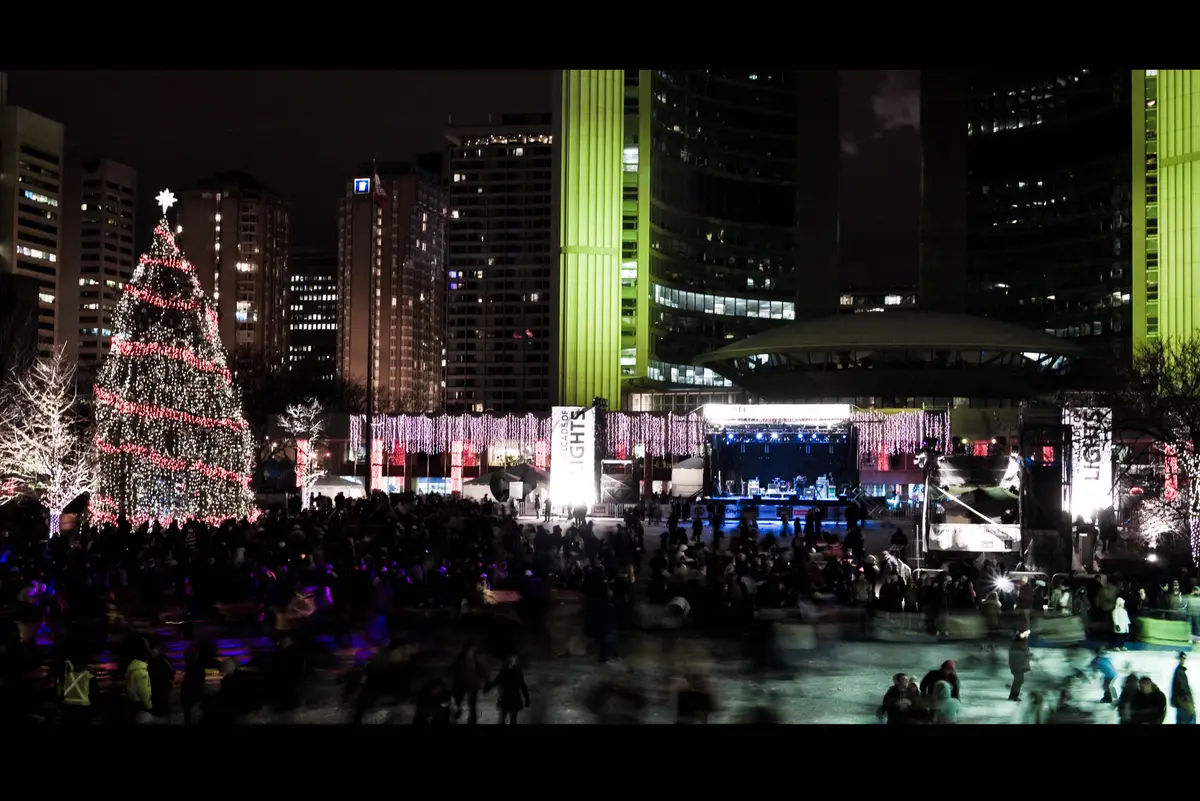
The new civic home was the North York Civic Centre. By the mid-1980s it comprised civic offices, Mel Lastman Square, the North York Central Library, the Douglas Snow Aquatic Centre and North York Memorial Community Hall, all on the west side of Yonge Street at Park Home Avenue. The North York Centre subway station opened in 1987 in support of the vision of a new downtown. The new North York Central Library opened in the North York City Centre on May 13, 1987. Our Mel Lastman Square guide walks the civic centre in all four seasons.
What happened in 1998?
On January 1, 1998, the amalgamated City of Toronto was formed and the City of North York ceased to exist. The community did not vanish, though: many people still keep their identity as committed “North Yorkers.” The City of Toronto Archives describes North York as first an agricultural region dotted with crossroads and villages, then a growing suburban community, and finally a modern city. We think that is a tidy summary of a very quick century.
Where can you see this history today?
Start at Gibson House Museum, a red brick Georgian Revival farmhouse on land the Gibson family acquired and lived on from 1829, which the City describes as hidden between the high rises of North York. General admission is free, and the museum is north of the North York Centre subway station. A short walk away, a sculpture called One Hundred Links Equals One Chain, at 40 Park Home Avenue, honours David Gibson with a Clydesdale horse and a bronze apple.
For paper and photographs, North York Central Library has a Gladys Allison North York History Room. The City of Toronto Archives holds North York Council minutes from 1923 to 1997. Then pick a neighbourhood and keep going: our North York neighbourhood hub gathers the rest, and our North York restaurants route is a good reward for a long history walk.
Send this to the friend who still says “I’m a North Yorker” and ask them where their street started.
Sources (14)
- Progress, Economy & Heart: Celebrating 100 Years of North York, City of Toronto Archives
- North York at the Centre, Phase 1 Background Report: A History of North York Centre, City of Toronto
- Progress, Economy & Heart: From Farmland to Township, City of Toronto Archives
- Resources on Former Municipalities, City of Toronto Archives
- Progress, Economy & Heart: Getting Around in North York, City of Toronto Archives
- Progress, Economy & Heart: Living in North York, City of Toronto Archives
- Progress, Economy & Heart: Shopping & Recreation, City of Toronto Archives
- Progress, Economy & Heart: Tourist Attractions, City of Toronto Archives
- Progress, Economy & Heart: Industrial Development in North York, City of Toronto Archives
- Progress, Economy & Heart: North York Grows Up, City of Toronto Archives
- North York Central Library, Toronto Public Library
- Progress, Economy & Heart: Mel Lastman, City of Toronto Archives
- Gibson House Museum, City of Toronto
- Exploring Public Art Across Yonge North York, Yonge North York BIA
Spotted something out of date? Let us know.
How did this land?
Share this
“Saving this for a North York wander: how Yonge Street farmland became a city with its own downtown, from City Archives records.”